
Crack Down on Towing Practices
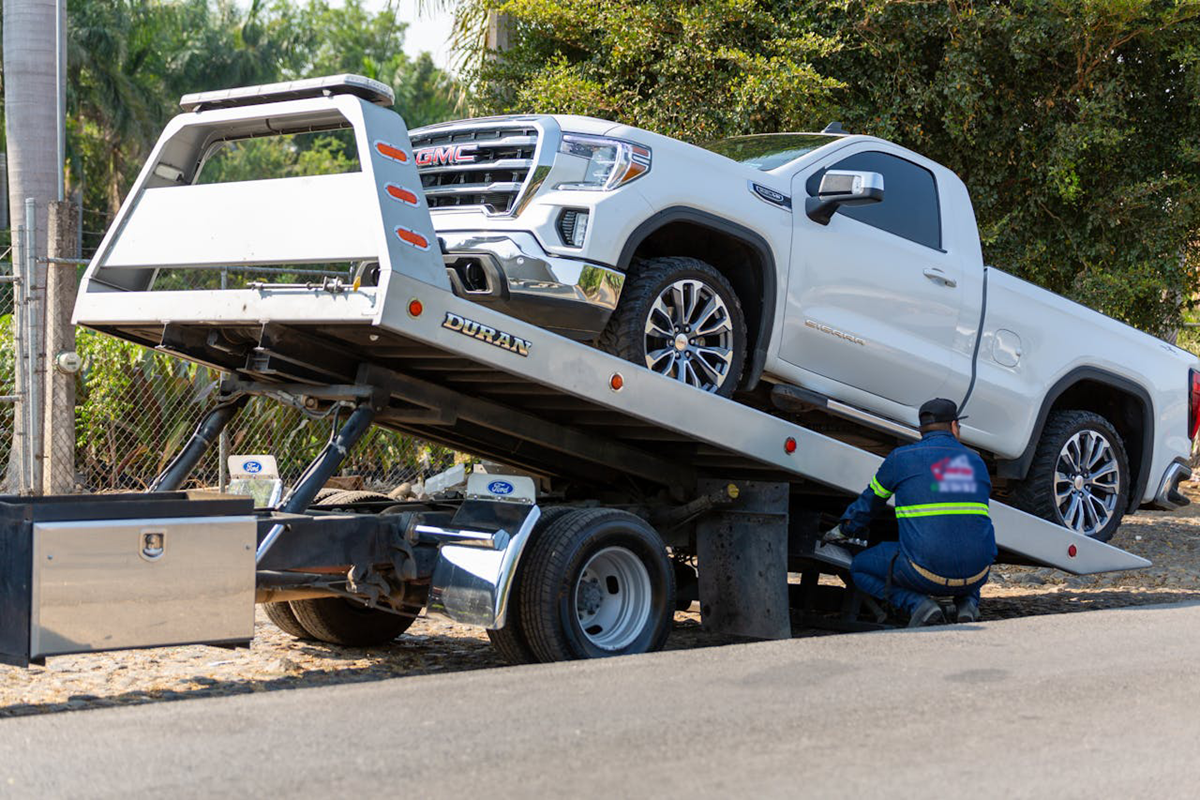
Alberta Regulation 17/2026 under the Consumer Protection Act establishes comprehensive rules governing vehicle towing and storage services to protect consumers and clarify the responsibilities of business operators. The regulation defines key terms, including “business operator,” referring to any person providing towing or storage services, “consumer,” meaning anyone whose vehicle is towed or stored or who is negotiating for such services, and “express consent,” which requires verifiable documentation, such as written, electronic, or audio confirmation including the name, date, and time of consent. The regulation applies specifically to towing and storage operations and does not incorporate the broader definition of “consumer” from the Act.
Business operators are required to provide clear and accessible estimates to consumers before taking possession of a vehicle. Estimates must detail the total towing costs, storage rates if applicable, and the identity and contact information of any storage provider or additional towing operator involved. Operators must secure express consent from the consumer or an authorized representative, such as a law enforcement officer or insurance agent, prior to towing or storing a vehicle. Consumers must be able to retain copies of estimates and storage rates, and operators are obligated to disclose the current location of any towed or stored vehicle upon request. Furthermore, consumers are entitled to access their vehicles to retrieve personal belongings or inspect the vehicle’s condition during business hours at no additional charge.
Prior to collecting payment, operators must issue a detailed written invoice that includes the operator’s contact information, vehicle details, towing and storage locations, dates and times of services, the recipient of the invoice, and an itemized breakdown of all charges. If a vehicle is moved between storage facilities, consumers must be notified in writing. Records of all towing and storage activities, including estimates, consents, and invoices, must be maintained for a minimum of three years to ensure accountability and transparency.
The regulation identifies specific unfair practices, including providing misleading or incomplete documents, charging more than 10 percent above an estimate without consent, towing without express authorization, refusing to disclose a vehicle’s location, charging for storage when access has been requested in good faith, and failing to provide operator contact information. Violations of these rules are designated as offences under section 162 of the Consumer Protection Act, subjecting operators to legal consequences.
Certain exemptions are provided, such as towing without charge, towing under municipal parking enforcement, towing directed by property owners, or vehicles towed under law enforcement authority. Seasonal or long-term storage voluntarily arranged by the consumer is also exempt.
Canada (10/2026) February 17, 2026
Disclaimer: Insights are for informational purposes only and does not reflect RRI’s official position or constitute legal opinion.