
Access to Preclearance Areas Tightens
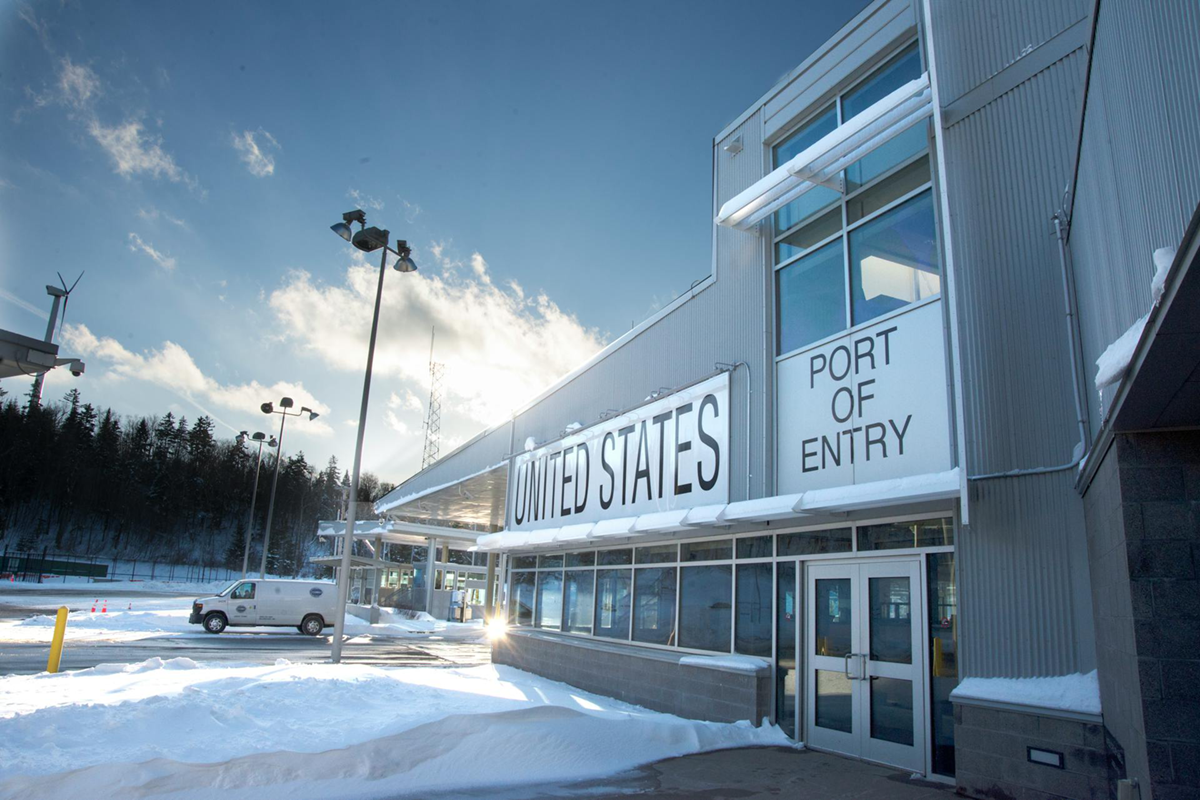
The Regulations Amending the Preclearance in Canada Regulations (SOR/2026-25) under the Preclearance Act, 2016 introduce a standardized security clearance process for personnel accessing preclearance areas at Canadian transportation facilities. These amendments respond to the expansion of preclearance operations across airports, marine terminals, rail stations, and land crossings, recognizing that the existing Transportation Security Clearance (TSC) Program alone does not adequately address border-specific risks. While the TSC Program assesses civil aviation and marine transportation threats, it does not fully mitigate risks associated with border security, which is critical in preclearance areas where travelers and goods bypass customs upon arrival in the destination country.
Preclearance allows foreign authorities, notably the United States, to perform customs, immigration, and related inspections on Canadian soil to determine the admissibility of travelers and goods before they enter U.S. territory. Operational in airports including Halifax, Montréal (Trudeau), Toronto (Pearson), Ottawa, Winnipeg, Calgary, Edmonton, and Vancouver, preclearance facilitates more efficient travel, enables access to smaller domestic facilities, and mitigates security, economic, and health risks by intercepting illicit goods, persons posing security threats, or potential contamination before departure. The 2015 Agreement on Land, Rail, Marine, and Air Transport Preclearance, effective in 2019, extends these operations beyond airports and allows for Canadian preclearance facilities in the U.S., reinforcing cross-border security and economic collaboration.
Recognizing the unique security challenges posed by preclearance operations, the amended regulations introduce a dedicated preclearance-specific clearance process alongside existing transportation security measures. The amendments define key terms such as “Minister,” the official responsible for designating preclearance areas, “Act” as the Preclearance Act, 2016, and “operator” as the entity managing the facility. They also permit access to preclearance areas for individuals holding either a pass issued under the Regulations or a pass issued by the operator.
Eligibility criteria for access clearance include current or prospective employment necessitating entry into a preclearance area, absence of certain criminal convictions in Canada or the U.S., and possession of appropriate security clearance for overlapping restricted areas. Applications must be submitted within twelve months of expiry of a prior clearance and include detailed personal and spousal information. The Minister evaluates applications, verifying information and determining whether applicants pose risks to border integrity. Applicants may be refused or have clearances suspended or revoked for fraudulent or unreliable information or other security concerns. Written notice and opportunity to respond are required before final refusal or revocation. Clearances have a maximum validity of five years, subject to alignment with restricted area security clearance expiry.
Canada (25/2026) March 4, 2026
Disclaimer: Insights are for informational purposes only and does not reflect RRI’s official position or constitute legal opinion.