
Sharp Reduction in Muskox Harvest Limits
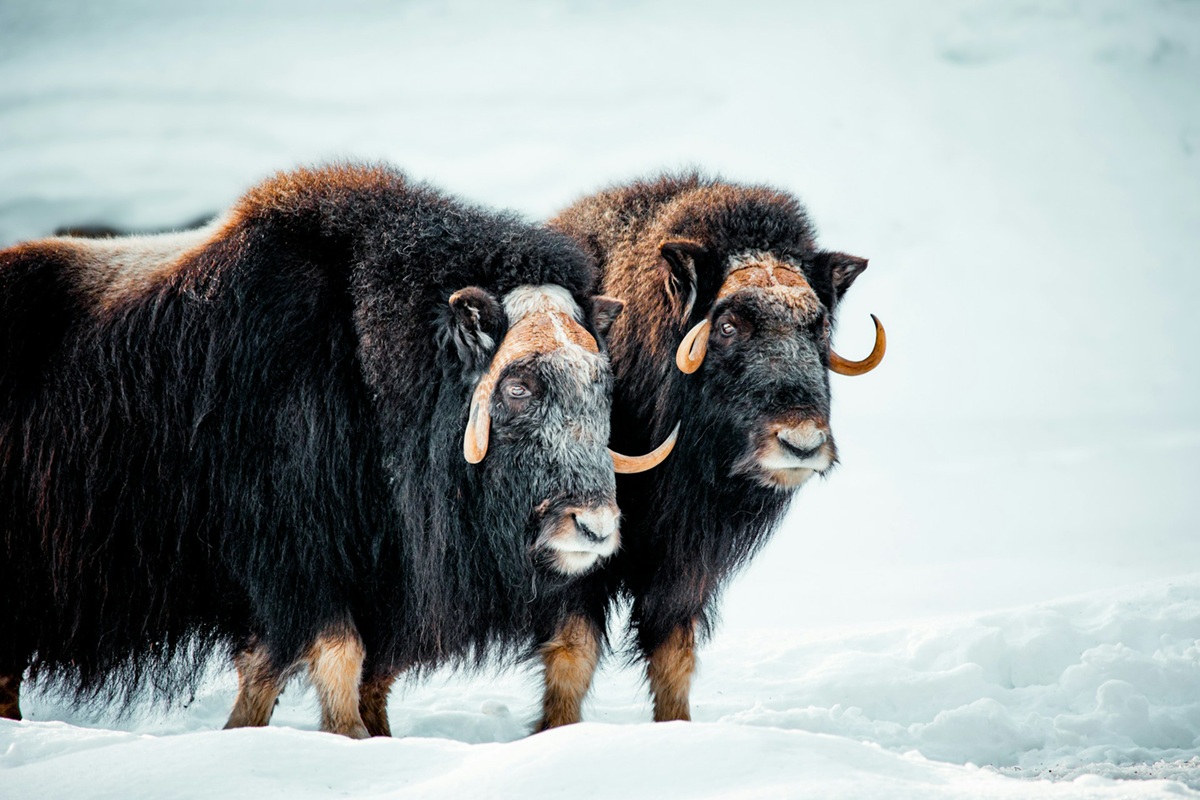
The Order Establishing the Total Allowable Harvest for Muskox — Amendment (R-001-2026), enacted under the Wildlife Act, introduces changes to the regulatory framework governing muskox harvesting in Nunavut. The amendment reflects the Minister’s acceptance of a decision by the Nunavut Wildlife Management Board (NWMB) concerning the sustainability of the Victoria Island Group muskox population, identified as management unit MX-07 (located on Victoria Island north of the hamlet of Cambridge Bay in the Kitikmeot Region of Nunavut).
The amendment reinforces the co-management model of wildlife governance in Nunavut, where scientific assessment and Inuit knowledge inform harvest limits. The most significant change is the reduction in the total allowable harvest (TAH) for the MX-07 population. In 2013-2014 aerial surveys estimated approximately 1,296 adult male muskox with an overall population estimated at approximately 10,000 animals. In 2023-2024 aerial survey only approximately 180 adult males remain, which is too low to generate a new population estimate for the area.
The allowable harvest is lowered from 400 animals annually to just 10 per harvest year, signalling a serious conservation concern regarding the status of this muskox population. This reduction indicates that the population may be experiencing pressures such as disease, overharvesting, climate impacts, or habitat stress, necessitating immediate regulatory intervention to prevent further decline.
Another technical adjustment replaces references to “three years” with “three harvest years” in provisions related to allocation periods. While seemingly minor, this change ensures terminological consistency throughout the regulatory framework and eliminates ambiguity regarding how multi-year allocations are calculated and enforced.
Importantly, the Order includes a transitional provision that immediately terminates all existing harvest allocations for the MX-07 management unit upon its coming into force. This means that any previously issued quotas or permissions are rendered void, and harvesting activity must conform to the newly established limit of 10 animals per harvest year. This clause underscores the urgency of the conservation measures and prevents any continuation of harvesting under outdated, higher quotas.
From a policy perspective, this amendment exemplifies responsive wildlife management in a northern context, where ecological conditions can shift rapidly and require swift regulatory adjustment. The reliance on NWMB recommendations highlights the collaborative governance structure established under the Nunavut Land Claims Agreement, ensuring that Inuit organizations play a central role in resource management decisions.
Nunavut (001/2026) March 25, 2026
Disclaimer: Insights are for informational purposes only and does not reflect RRI’s official position or constitute legal opinion.