
Drone Spray Licensing in Pesticide Regulation
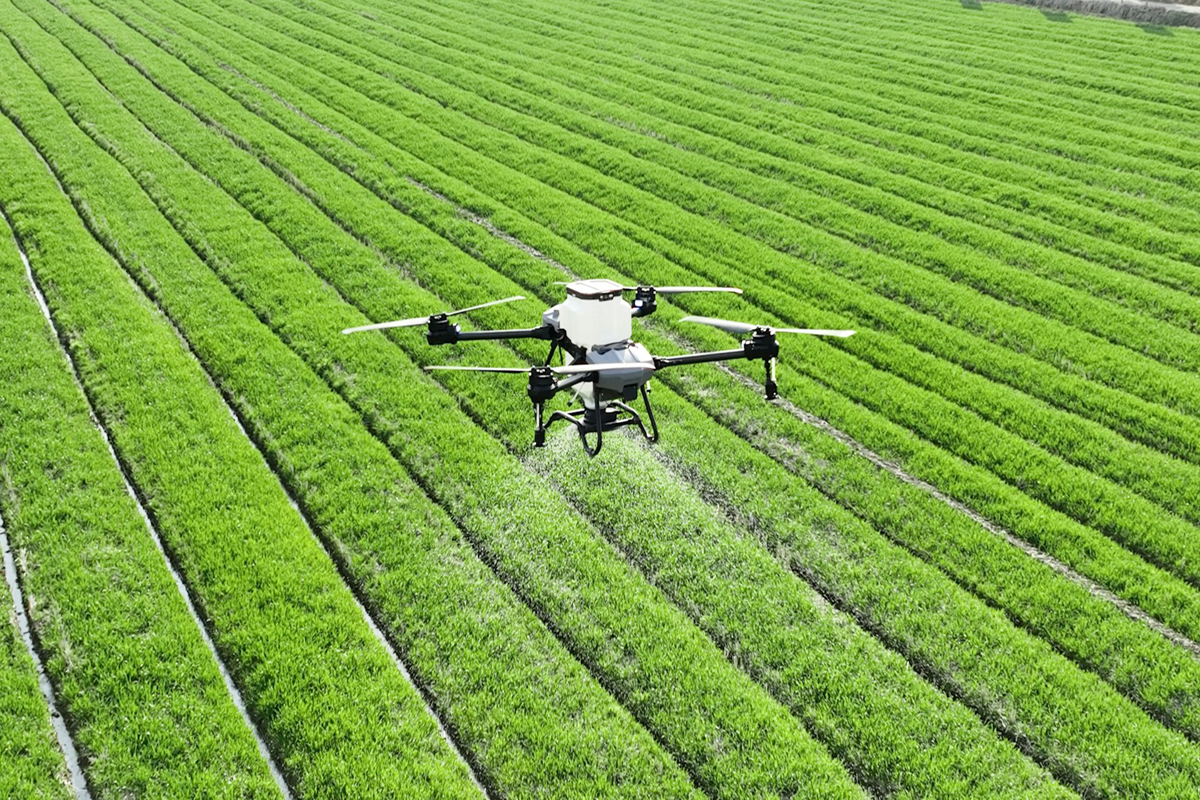
The Government of Prince Edward Island has enacted amendments to the Pesticides Control Act Regulations under EC2026-581. These amendments update the regulatory language, align provincial terminology with federal legislation, and introduce a new framework for pesticide application using remotely piloted aircraft systems, reflecting the increasing use of drone technology in agricultural and environmental management.
A key component of the regulatory update is the clarification and standardization of terminology. References to the former “PCP Act (Canada)” are replaced throughout the regulations with the correct “Pest Control Products Act (Canada),” and corresponding references to “PCP Act number” are updated to “registration number.” These changes ensure consistency with federal pesticide regulation terminology and improve administrative clarity. In addition, new definitions are introduced for “operating weight,” “remotely piloted aircraft,” and “remotely piloted aircraft system,” explicitly incorporating aviation regulatory standards under the Canadian Aviation Regulations.
The amendments also expand and modernize licensing and certification categories for pesticide applicators and businesses. A new Class K designation is created for both Pesticide Application Business Licences and Pesticide Applicator Certificates. This class specifically authorizes the use of remotely piloted aircraft systems for pesticide application, provided the operator complies with aviation rules under the Aeronautics Act and Canadian Aviation Regulations. These additions formally integrate drone-based pesticide application into the regulatory regime, recognizing its growing role in precision agriculture.
Several sections of the regulations are revised to accommodate this new Class K system. Eligibility provisions are updated to include holders of Class C-1 and Class E pesticide applicator certificates in certain regulatory requirements, including certification renewal and continuing education provisions.
Operational requirements for pesticide application are also updated. When pesticides are applied using remotely piloted aircraft systems, operators are required to file flight plans or itineraries under applicable aviation regulations. This introduces a formal link between pesticide regulation and aviation compliance systems.
The amendments further clarify environmental and operational safety standards for aerial pesticide application. Section 37 is revised to exempt small remotely piloted aircraft systems with an operating weight of up to 150 kilograms from certain restrictions on aircraft-based pesticide application, enabling regulated drone use while maintaining oversight. In addition, a new operational safety limit is introduced under section 39, establishing that pesticide application via remotely piloted aircraft systems must not occur when wind speeds exceed either the pesticide label specifications or 20 kilometres per hour, whichever is lower. This provision is intended to reduce spray drift and improve environmental protection outcomes.
Prince Edward Island (581/2026) May 26, 2026
Disclaimer: Insights are for informational purposes only and does not reflect RRI’s official position or constitute legal opinion.