
Fire Risk Index Automatically Linked to Fire Restrictions
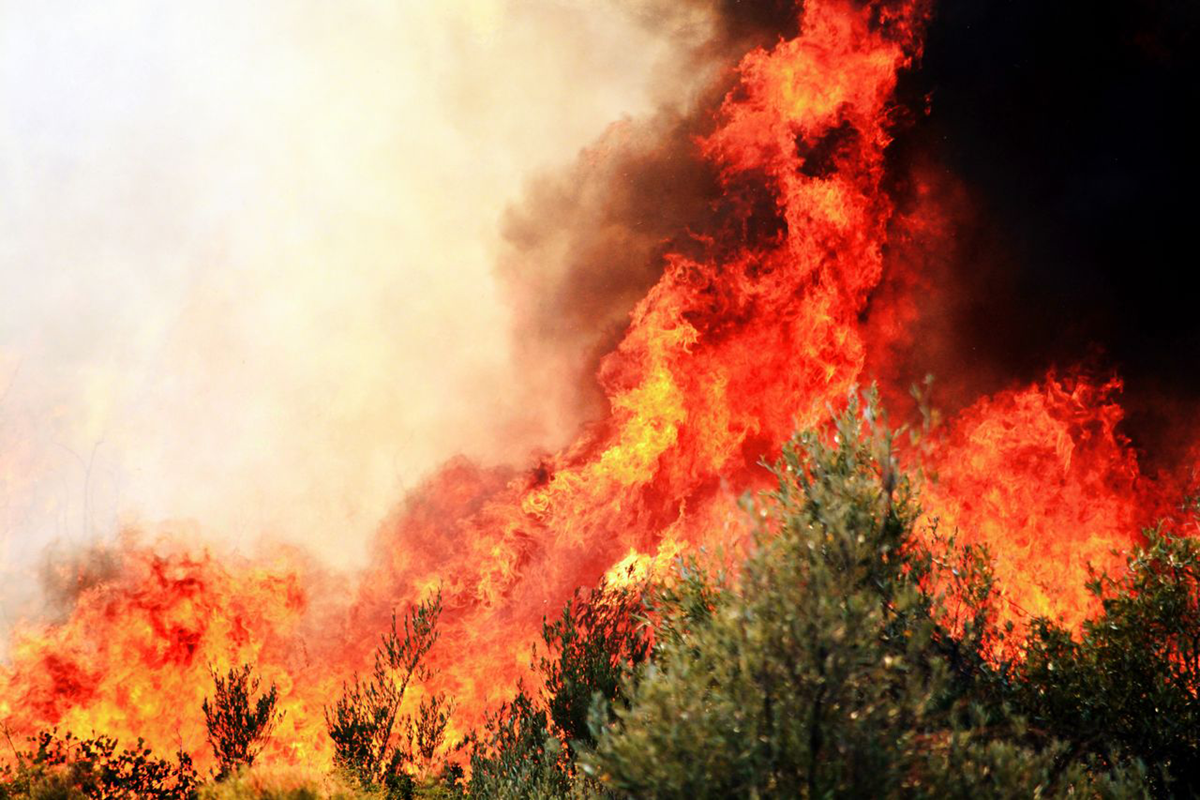
The Forest Fire Regulations Amendment (Newfoundland and Labrador Regulation 25/26) updates wildfire prevention and operational controls under the Forestry Act, with a strong emphasis on aligning permitted activities to the fire weather index, tightening ignition rules, and increasing compliance obligations for both public and industrial actors during the forest fire season.
A structural change is the clarification that the regulations apply specifically during a “forest fire season,” a period formally declared by the minister, reinforcing that many restrictions are conditional on seasonal risk designation. Several definitions are updated and expanded, including more detailed specifications for approved fire extinguishers, back tank pumps, logging operations, fireworks classification, and the introduction of “sky lanterns” as a regulated ignition source due to their open flame risk.
One policy shift is the overhaul of rules governing open burning without permits. Fires may still be lit without a permit in limited circumstances, such as in designated fire containment structures within parks (subject to staff authorization and strict water or suppression equipment availability), or on non-combustible surfaces like mineral soil provided strict separation distances and suppression tools (water, shovel, or extinguisher) are maintained. Outdoor wood-burning units are permitted only if fully non-combustible, spark-contained, elevated or isolated from fuel sources, and placed on adequately cleared non-combustible ground. Incinerator units are also allowed but must meet distance requirements from flammable material and include operational safeguards, including mandatory oversight during elevated fire weather conditions.
Importantly, the amendment introduces a unified restriction framework tied to the fire weather index. Open fires under the permitted exceptions are prohibited when conditions reach “very high” or “extreme” risk levels. Fireworks and sky lanterns are similarly restricted, now prohibited at “high,” “very high,” or “extreme” fire weather index levels unless specifically authorized by the minister or a delegate. This represents a tightening of previously more flexible ignition rules, embedding climate and meteorological risk directly into enforceable prohibitions.
The amendment also introduces automatic and discretionary suspension mechanisms for permits. Permit to burn authorizations are now automatically suspended when the fire weather index reaches high or higher levels in the relevant locality. Operating permits under section 105 of the Act can be suspended by forestry officials at high or very high risk levels, and may be suspended or partially suspended at extreme risk levels, with authority for reinstatement when conditions improve or when officials determine risk is sufficiently low. This is intended to create a more dynamic, real-time risk management system rather than static permitting.
Newfoundland & Labrador (25/2026) June 3, 2026
Disclaimer: Insights are for informational purposes only and does not reflect RRI’s official position or constitute legal opinion.