
Revising Offshore Petroleum Venting Requirements
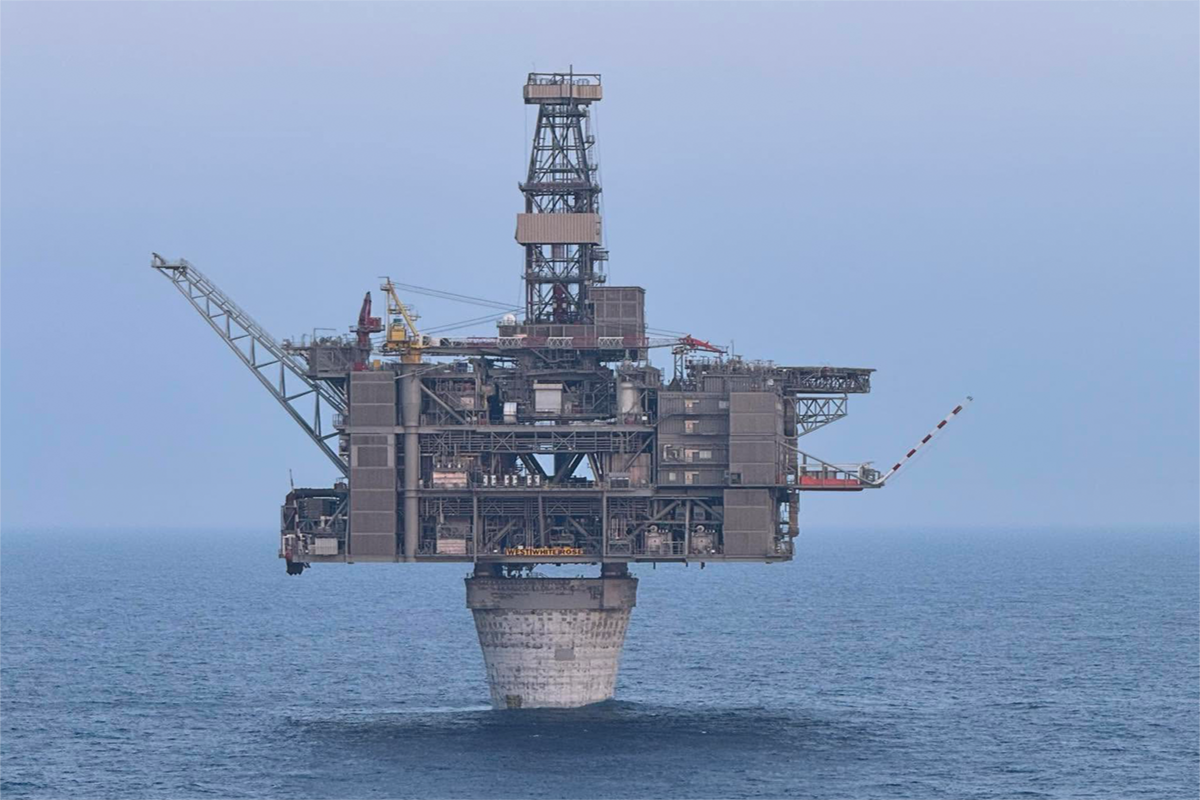
The Regulations Amending the Canada–Newfoundland and Labrador Offshore Area Petroleum Operations Framework Regulations (SOR/2026-97) revise the offshore petroleum regulatory framework under the joint federal–provincial regime established by the Atlantic Accord. The amendment repeals section 83 of the Framework Regulations, which had imposed a limit of 15,000 standard cubic metres per year on the volume of gas that could be authorized for venting at offshore installations. By removing this cap, the amendment changes the regulatory approach to venting while maintaining the underlying requirement that venting is prohibited unless specifically authorized by the regulator or required in an emergency posing a serious risk to human health or safety.
The need for the amendment arose from an operational conflict between the Framework Regulations and the requirements of the Canada Shipping Act, 2001. Floating production, storage and offloading units (FPSOs), which operate as offshore production installations, are subject to mandatory periodic internal inspections of cargo tanks. Under marine safety requirements, these tanks must be gas-freed, cleaned, and ventilated to allow safe entry by personnel. This process requires the venting of inert or hydrocarbon gases that are used to maintain safe operating conditions in the tanks. Because FPSOs typically contain multiple tanks and inspections occur regularly, the resulting venting can exceed the annual limit set out in section 83. As a result, operators faced the risk of penalties under the Framework Regulations for carrying out actions that are required under marine safety law.
This inconsistency was not fully anticipated when the Framework Regulations were introduced in 2024. At that time, the venting limit was aligned with the federal Methane Regulations governing the upstream oil and gas sector, which also prescribed a 15,000 standard cubic metre annual cap as part of Canada’s methane reduction strategy. However, the Framework Regulations did not adequately account for safety-driven venting associated with confined-space entry requirements under the Canada Shipping Act, 2001. Subsequent policy development, including revisions to the Methane Regulations, shifted toward a more flexible, performance-based approach that focuses on emissions outcomes rather than fixed caps, reinforcing the rationale for revising the offshore framework.
The amendment was developed through coordination among Natural Resources Canada, Environment and Climate Change Canada, and Transport Canada, in consultation with provincial counterparts and industry stakeholders, including the Canadian Association of Petroleum Producers. It applies primarily to the four producing offshore projects in Newfoundland and Labrador, as there are currently no active production projects in the Nova Scotia offshore area. Under the amended framework, operators remain subject to strict environmental obligations, including the requirement to minimize emissions through Environmental Protection Plans and to obtain regulatory authorization for any non-emergency venting. Non-compliance with offshore regulatory requirements continues to carry significant penalties, including administrative monetary penalties and potential prosecution under the Accord Acts.
Canada (97/2026) June 23, 2026
Disclaimer: Insights are for informational purposes only and does not reflect RRI’s official position or constitute legal opinion.