
Framework for Donated Human Remains Research
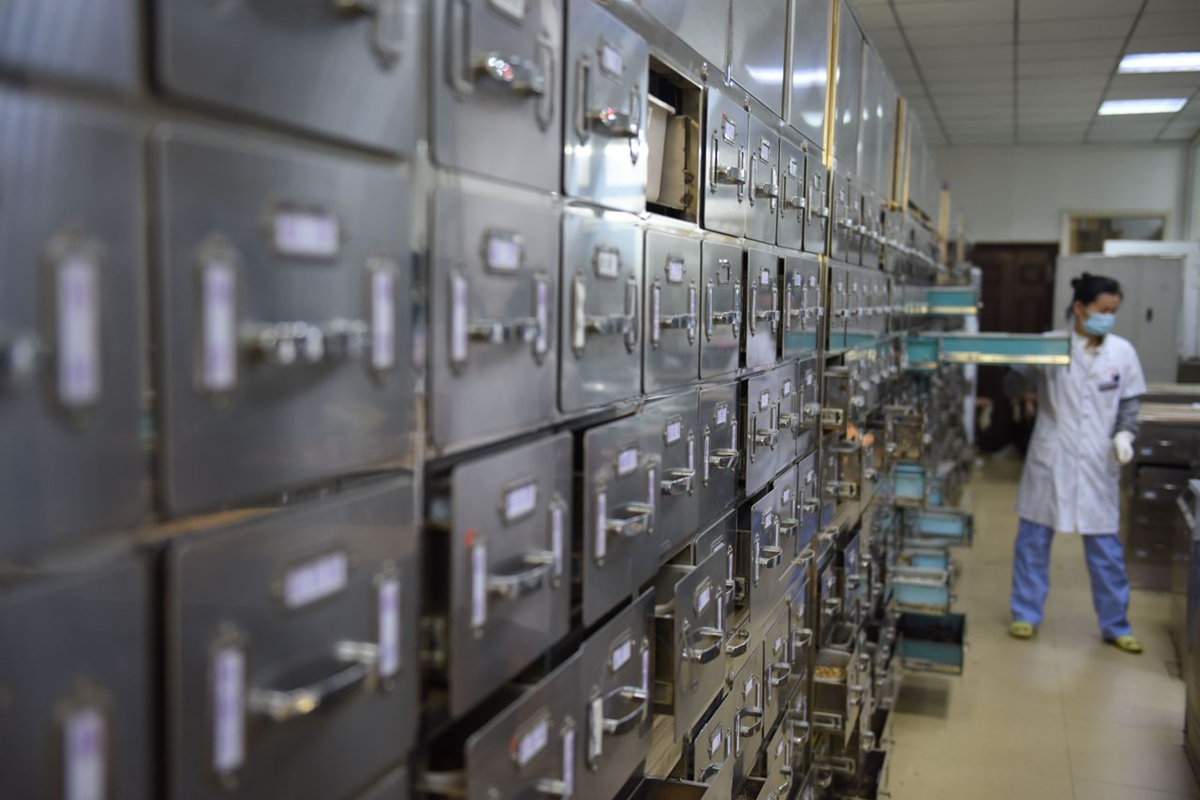
The Human Organ and Tissue Donation Regulations (N.S. Reg. 153/2026) establishes the administrative framework for handling human organs, tissue and whole bodies donated after death for scientific research and educational purposes in Nova Scotia. Made under the Human Organ and Tissue Donation Act, the regulations create clear responsibilities for the provincial government, researchers, educational institutions and medical professionals. The primary objective is to ensure donated remains are managed respectfully, transparently and safely while supporting medical education and scientific advancement.
A central feature of the regulations is the creation of the role of inspector of anatomy, appointed by the Minister of Health and Wellness. The inspector serves as the province’s primary authority overseeing the receipt, storage, transfer and final disposition of donated organs, tissue and bodies intended for research or education. The regulations permit the appointment of one or more inspectors to carry out these responsibilities, reflecting the importance of centralized oversight throughout the donation process.
To strengthen accountability, the inspector must submit an annual report to the Minister by March 31 each year, unless directed otherwise. The report must document inspections of facilities where donated materials are stored or used, confirm whether authorized organizations comply with the legislation and regulations, and include any additional information requested by the Minister. This reporting requirement creates an ongoing monitoring system designed to ensure donated remains are handled according to provincial standards.
The regulations require the inspector to maintain a comprehensive register for every deceased donor whose organs, tissue or body comes under their control. Information recorded includes the donor’s identity, age, sex, date and place of death, cause of death, hospital and attending physician where applicable, details of where the remains were transferred, and descriptions of any personal property received. These records provide a detailed chain of custody from donation through final disposition while supporting traceability and accountability.
Most organizations or individuals wishing to receive donated organs, tissue or bodies for research or educational purposes must obtain written authorization from the inspector of anatomy. Eligible applicants include educational institutions, research organizations and qualified medical practitioners. The inspector may revoke an authorization at any time, with or without providing reasons. However, recognized organ-donation programs and tissue banks are exempt from this authorization requirement because they already operate within established regulatory systems.
The regulations establish strict documentation requirements for authorized recipients. Every authorized person must maintain a register recording when donated materials are received, who accepted delivery, any tests or procedures performed, burial or cremation details where applicable, and information about anyone claiming the remains.
Nova Scotia (153/2026) July 14, 2026
Disclaimer: Insights are for informational purposes only and does not reflect RRI’s official position or constitute legal opinion.