
Fast-Tracking the West Coast Oil Pipeline
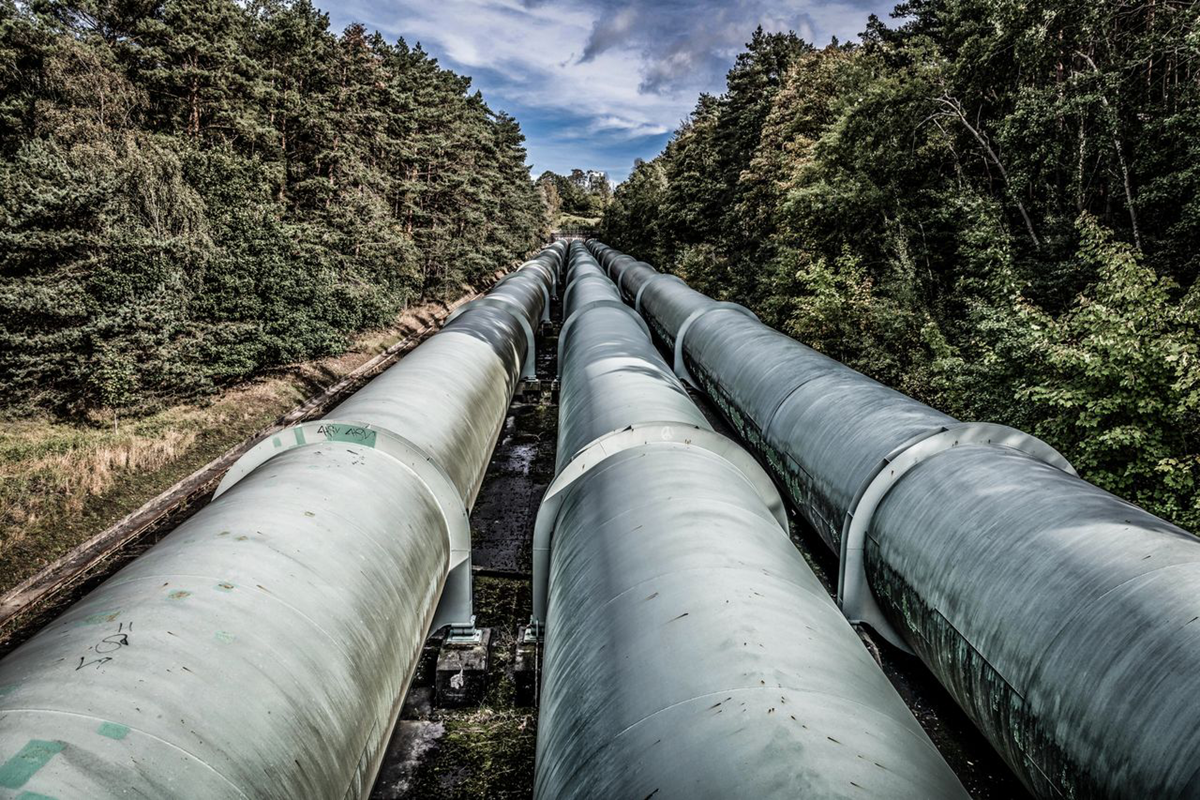
The federal government has initiated the formal process that could designate the proposed West Coast Oil Pipeline as a project of national interest under the Building Canada Act, marking a significant step toward accelerating one of Canada’s largest proposed energy infrastructure developments. The notice advises that the Governor in Council is considering amending Schedule 1 of the Act to include the project, which would allow it to benefit from simplified federal approval processes while remaining subject to environmental protections and obligations respecting the rights of Indigenous Peoples.
The Building Canada Act was introduced to facilitate the timely development of projects considered strategically important to the country. Rather than exempting projects from regulatory oversight, the legislation aims to improve coordination and efficiency across federal approval processes.
Under the Act, the Governor in Council has broad discretion when deciding whether to designate a project as being in the national interest. The legislation outlines several factors that may be considered, although it does not limit decision-makers to these criteria. These include whether a project would strengthen Canada’s autonomy, resilience and security, generate significant economic or other national benefits, demonstrate a strong likelihood of successful completion, advance the interests of Indigenous peoples, and contribute to clean economic growth and Canada’s climate change objectives.
The proposed West Coast Oil Pipeline would be one of Canada’s largest crude oil transportation systems. It is designed to transport up to one million barrels of Canadian crude oil per day from Bruderheim, Alberta, located northeast of Edmonton, to a new deepwater marine terminal near Delta, British Columbia, south of Vancouver. From there, crude oil would be loaded onto Very Large Crude Carrier vessels for export to international markets.
Development of the project will be led through a new jointly owned entity formed by Trans Mountain Corporation, the Alberta Petroleum Marketing Commission, and Pembina Pipeline Corporation. By combining the expertise and resources of these organizations, the proponents aim to develop, construct and operate the pipeline and its associated facilities.
The project would consist of several major infrastructure components extending across western Canada. At its eastern end, a receipt tank terminal would be constructed in Bruderheim to receive, measure, store and pump crude oil into the pipeline. The pipeline itself would extend approximately 1,250 kilometres to the British Columbia coast. Supporting infrastructure would include electrical power connections, transmission facilities and, where necessary, power generation to operate the system. Approximately 11 pump stations would be located along the route to maintain flow rates and operating pressure over the long distance. At the western terminus, a delivery tank terminal and offshore marine loading facility would store crude oil before transferring it onto Very Large Crude Carrier (VLCC) vessels for export.
Canada (Draft) July 29, 2026
Disclaimer: Insights are for informational purposes only and does not reflect RRI’s official position or constitute legal opinion.