
Tighter Explosives Controls and Clearer Compliance Rules
The amendments to the Explosives Regulations, 2013 (SOR/2026-206) aim to strengthen safety, security, emergency preparedness, and licensing requirements for explosives manufacturing, storage, transportation, and handling in Canada. Under the Explosives Act, the regulations update requirements affecting manufacturers, licence holders, explosives storage facilities, and other regulated activities. A central feature is the introduction of more explicit safety planning obligations and risk-based separation distances between explosives operations and surrounding people, buildings, and infrastructure.
The amendments respond to a comprehensive review launched by Natural Resources Canada (NRCan) in 2021. The review identified more than 280 regulatory concerns raised by stakeholders and experts, including outdated licensing and fee structures, unnecessary administrative burdens, unclear requirements, and safety rules that did not always reflect the level of risk. The amendments represent the second package of reforms intended to modernize the regulatory framework while improving public safety and security.
Several changes strengthen safety requirements at explosives manufacturing facilities. Licence applications must include more detailed site plans identifying vulnerable places, surrounding infrastructure, distances between facilities and nearby hazards, and the safety features of explosives magazines. Applicants must also provide fire safety plans describing prevention measures, emergency procedures, evacuation routes, notification of fire departments, and employee training.
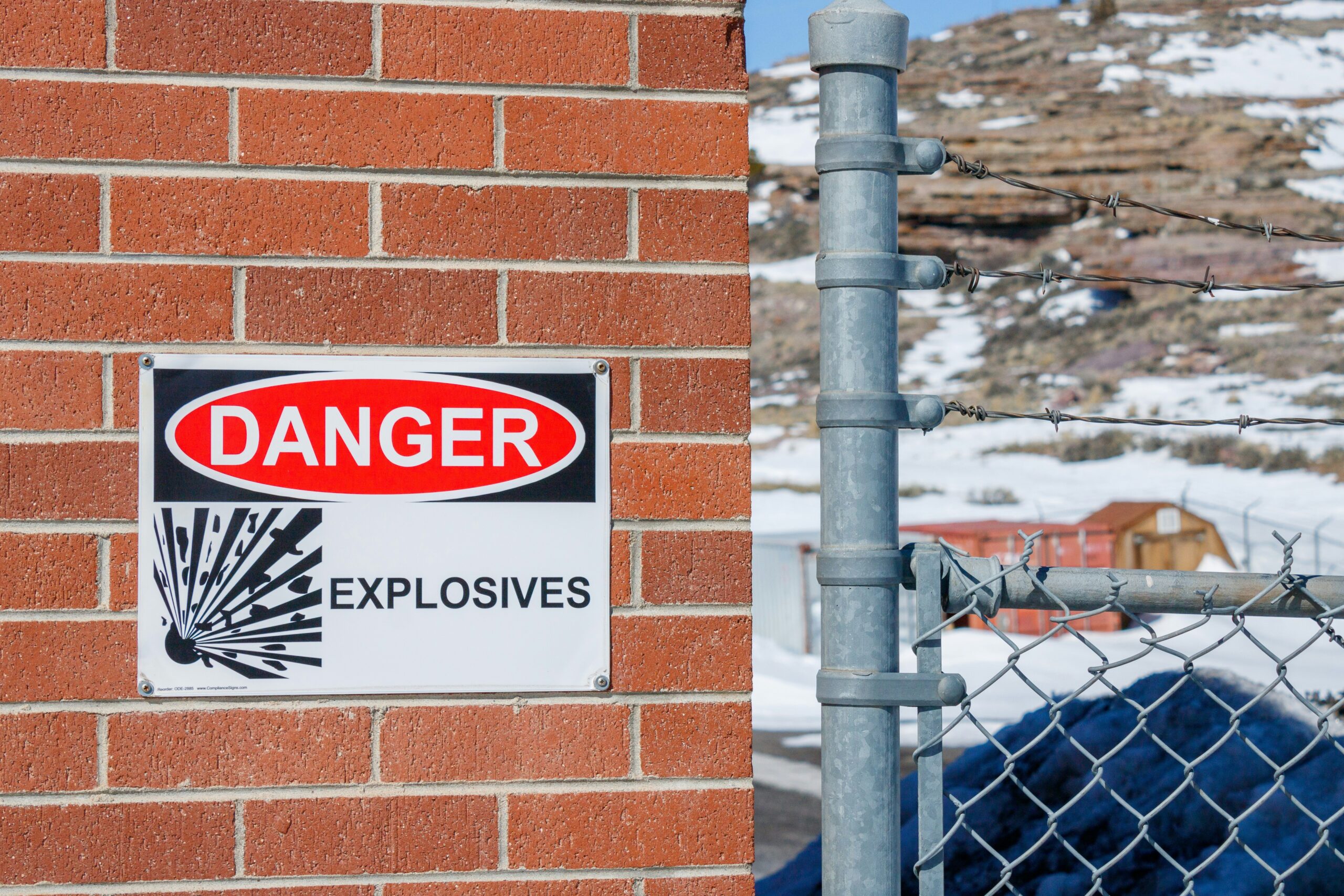
The regulations also introduce clearer requirements for explosives storage and security. Explosives packages must be stacked securely and remain below designated stacking limits. Certain explosives magazines must be monitored using physical or electronic systems appropriate to the security risks. Unlocked magazines must be attended in person, and signs must identify hazards and restrict unauthorized entry. Maintenance records and work permits must generally be retained for two years, while operating and maintenance records for progressive cavity pumps must be kept for the life of the equipment.
Transportation and handling requirements are also revised. Certain carriers transporting higher-hazard explosives will require transport permits, while shippers transporting other explosives must verify drivers’ knowledge of applicable safety requirements and retain records for two years. Vehicles carrying explosives must have suitable fire-extinguishing equipment. Restrictions also govern where explosives and certain industrial materials may be loaded or unloaded, subject to exceptions for breakdowns and accidents where appropriate precautions are taken.
Canada (206/2026) October 27, 2026
Disclaimer: Insights are for informational purposes only and does not reflect RRI’s official position or constitute legal opinion.