
Expanding the Coverage of the Visiting Forces Act
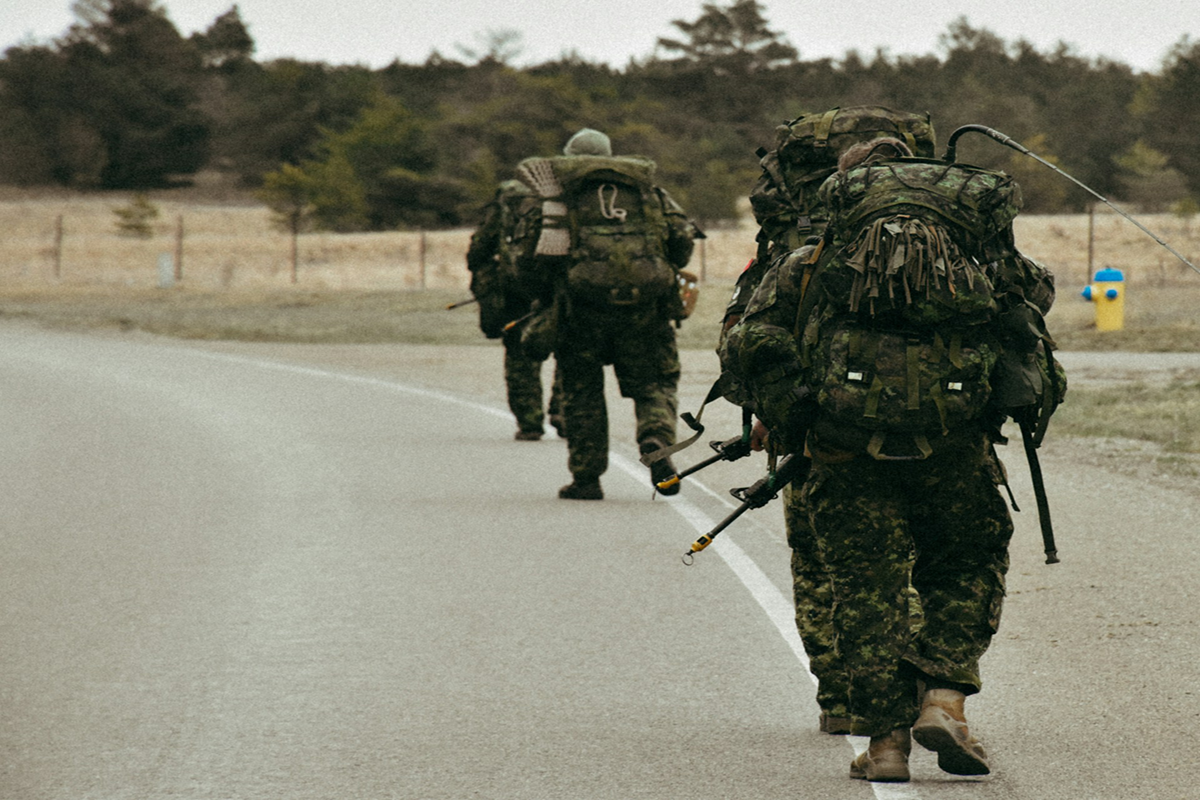
The Proclamation Designating the Republic of the Philippines as a Designated State for the Purposes of the Visiting Forces Act marks an important step in strengthening defence and military cooperation between Canada and the Philippines. Issued under the authority of the Visiting Forces Act through Order in Council P.C. 2026-274, the proclamation formally recognizes the Philippines as a “designated state” under Canadian law. This designation is necessary for Canada to ratify the new Status of Visiting Forces Agreement (SOVFA) signed between the two countries and to establish the legal framework required for military personnel and accompanying civilian staff to operate within each other’s territory.
The proclamation contains three principal measures. First, it officially designates the Republic of the Philippines as a state covered by the Visiting Forces Act. This gives Canadian authorities the legal basis to apply the Act’s rules to Philippine military personnel operating in Canada. Second, it specifies that all parts of the Visiting Forces Act apply to the Philippines except Part VI, a transitional section that was only relevant when the legislation was first introduced and has no continuing effect for newly designated states. Third, it identifies which civilian personnel accompanying Philippine military forces in Canada will qualify as part of the “civilian component” under the Act. Eligible civilians include employees supporting the visiting force who are not stateless persons, nationals of non-designated states, or Canadian citizens or residents.
The proclamation supports implementation of the bilateral Status of Visiting Forces Agreement negotiated between Canada and the Philippines. Negotiations began in July 2024 and concluded in March 2025, with the agreement formally signed by Canada’s Minister of National Defence on November 2, 2025. The agreement advances Canada’s defence policy objectives under “Our North, Strong and Free (2024)” by deepening security and military relations with key Indo-Pacific partners. It is intended to facilitate expanded cooperation between the Canadian Armed Forces (CAF) and the armed forces of the Philippines through activities such as military exercises, operational cooperation, joint training, and defence exchanges in both countries.
A SOVFA establishes the legal conditions under which military forces from one country may enter and operate within another country. It addresses numerous practical and legal matters that arise when foreign military personnel are present on another state’s territory. These include the right to carry arms, wear uniforms, drive vehicles, import military equipment, access military facilities, and receive legal protections while carrying out official duties. The agreement also establishes how jurisdiction over criminal or disciplinary matters will be handled. Under the framework, Canadian law generally applies to Philippine forces while they are in Canada, while Philippine military authorities retain primary jurisdiction over service-related offences governed by Philippine military law, such as desertion or insubordination. The arrangement is reciprocal, meaning Canadian Armed Forces personnel operating in the Philippines will similarly be subject to Philippine laws and procedures under agreed conditions.
Canada (67/2026) May 5, 2026
Disclaimer: Insights are for informational purposes only and does not reflect RRI’s official position or constitute legal opinion.