
Tighten Controls on Elevated Work Equipment
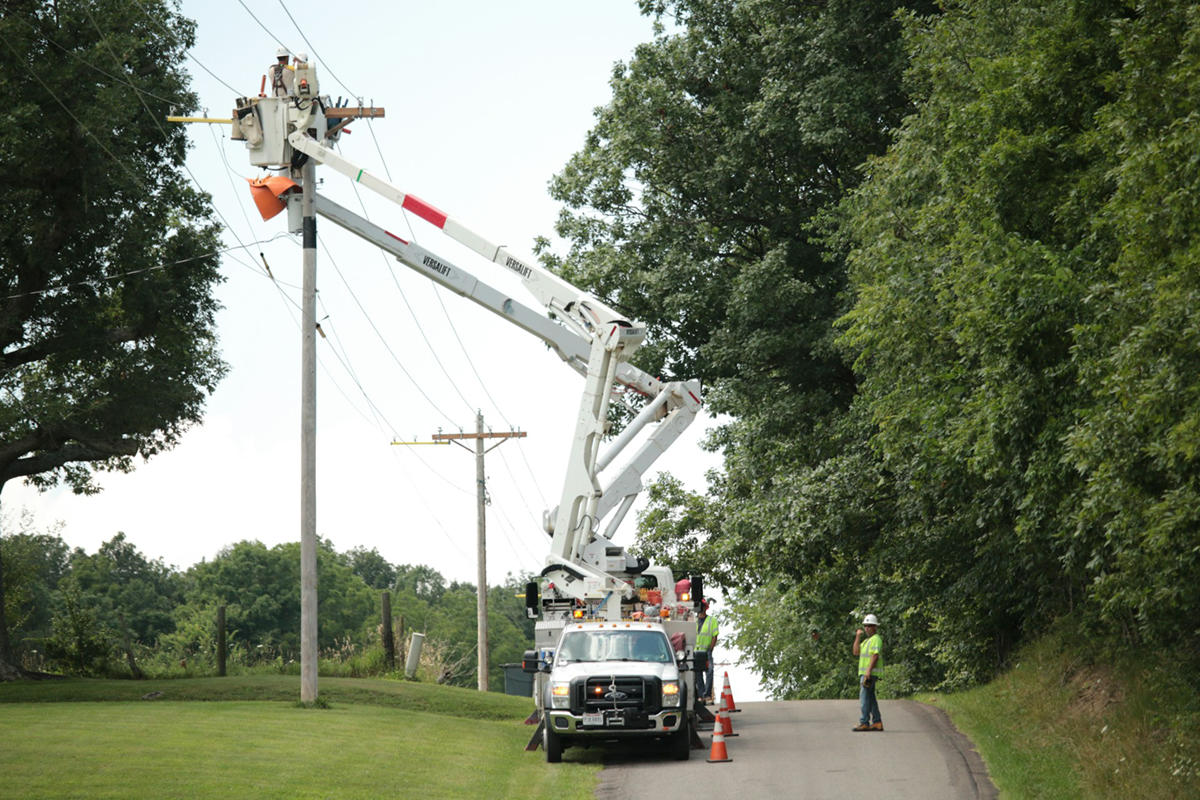
Regulation 117/26 under Ontario’s Occupational Health and Safety Act establishes a comprehensive regulatory framework governing the design, certification, maintenance, operation, and worker training requirements for elevating work platforms across all projects in the province. The regulation defines key equipment categories, including mast climbing work platforms, mobile elevating work platforms, and vehicle-mounted aerial devices, and sets out detailed technical and procedural obligations intended to reduce workplace injury risk associated with working at height.
The regulation requires that elevating work platforms be designed by a qualified engineer in accordance with good engineering practice and applicable CSA Group standards. These standards vary by equipment type and include legacy and modern CSA specifications. Designs must ensure a minimum rated working load capacity of 1.3 kilonewtons and incorporate safety factors consistent with structural integrity and occupational safety expectations.
Manufacturing must strictly follow approved engineering designs. Before use, each platform must undergo testing aligned with CSA requirements and be inspected daily by a trained worker in accordance with manufacturer instructions. A platform may only be used if an engineer has certified in writing that it complies with the applicable CSA standard, and the certification must include detailed test results. Mandatory safety features include guardrails and clearly visible signage at operator stations identifying rated load limits, operating restrictions, required surface conditions, movement directions where applicable, CSA compliance information, and owner identification.
The regulation places ongoing responsibility on equipment owners to maintain elevating work platforms in a condition that preserves original design safety factors. Owners must keep permanent, detailed records of inspections, repairs, modifications, and maintenance, including signatures of personnel involved.
Operational rules are strict. Platforms must not be overloaded, must be used in accordance with manufacturer instructions, and must be operated only in conditions that do not compromise stability or worker safety. Workers must be protected from ejection through fall protection systems when platforms are in motion, with limited exceptions such as certain mast climbing systems or specific vehicle-mounted devices where anchorage is not feasible.
Training requirements are extensive and form a central component of the regulation. Employers must ensure that operators of mobile elevating work platforms complete a structured training program covering theoretical and practical competencies, including hazard recognition, stability principles, equipment selection, emergency procedures, and proper use of controls and personal protective equipment. Training must also address risk assessment, rescue procedures, and transport safety. Certification is valid for five years, after which retraining is required unless prior compliant training has been completed under earlier regulations.
Ontario (117/2026) May 12, 2026
Disclaimer: Insights are for informational purposes only and does not reflect RRI’s official position or constitute legal opinion.