
Licensing Rules for Diagnostic Imaging Experts
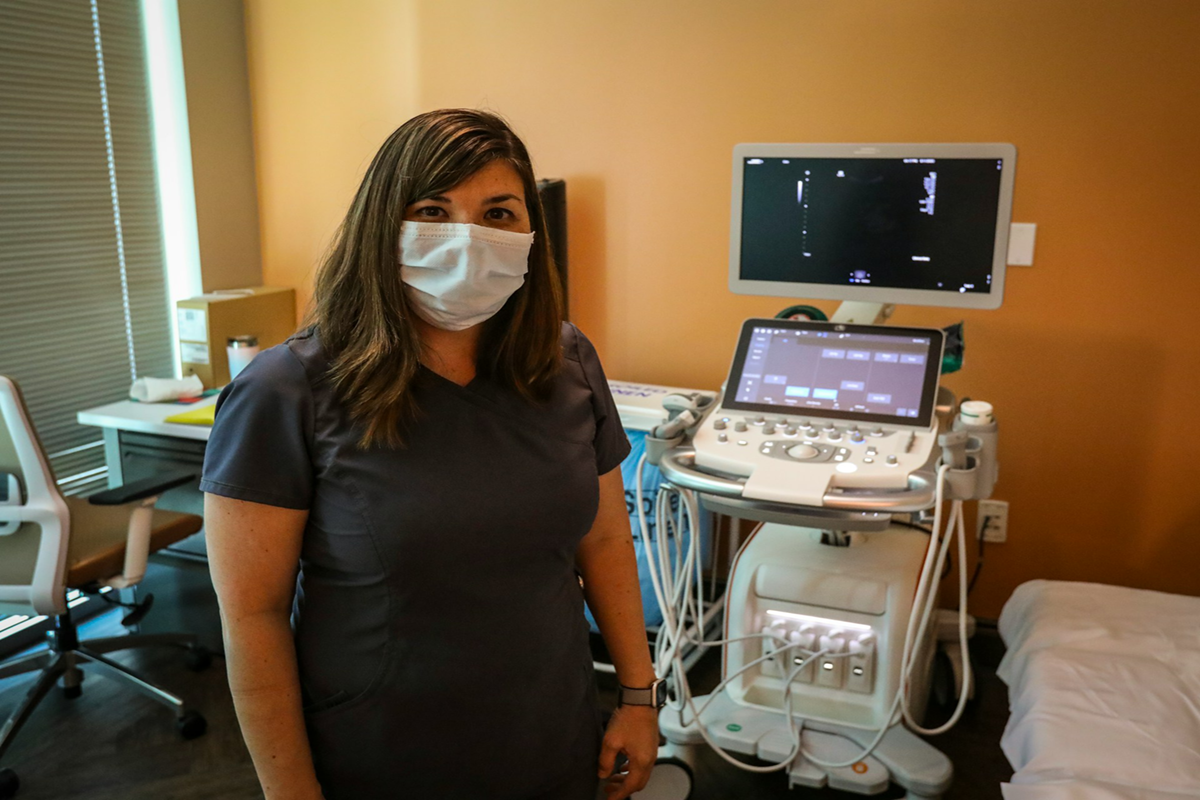
The Medical Imaging and Radiation Therapy Regulations (N.S. Reg. 126/2026) establishes a regulatory framework for the practice of medical imaging and radiation therapy in Nova Scotia under the Regulated Health Professions Act, replacing and updating provisions that previously existed under the former Medical Imaging and Radiation Therapy Professionals Act. The regulations continue the existing professional college under a new name—the Nova Scotia Regulator of Medical Imaging and Radiation Therapy—and provide a comprehensive structure governing professional practice, registration, licensing, title protection, and public safety.
The regulations establish several practising licence categories reflecting the diversity of the profession. These include diagnostic medical sonographers specializing in general, cardiac, or vascular imaging, magnetic resonance technologists, nuclear medicine technologists, radiological technologists, radiation therapists, and any additional categories that may later be created through bylaws.
Detailed registration and licensing requirements emphasize professional competence and patient safety. Applicants seeking registration in a practising register must demonstrate graduation from an approved or equivalent educational program, successful completion of required examinations, English-language proficiency, legal authorization to work in Canada, and the capacity, competence, and character necessary for safe and ethical practice. They must also satisfy any competence assessments or bridging education requirements deemed necessary and pay prescribed fees.
A significant component of the regulations focuses on protecting the public through restrictions on professional practice and title usage. Only appropriately licensed or conditionally licensed individuals may engage in or advertise medical imaging, radiation therapy, diagnostic medical sonography, magnetic resonance technology, nuclear medicine technology, radiological technology, or radiation therapy. Likewise, protected professional titles such as “medical radiation technologist,” “diagnostic medical sonographer,” “magnetic resonance technologist,” “nuclear medicine technologist,” “radiological technologist,” “x-ray technologist,” and “radiation therapist,” along with their abbreviations and derivatives, may only be used by authorized registrants or those otherwise permitted under the legislation.
The regulations also recognize limited exceptions for certain registered nurses working in specialized pediatric echocardiology roles at the Izaak Walton Killam Health Centre or performing fetal dating sonography at the ROSE Clinic, provided they meet specified education, competency, insurance, and regulatory requirements. Advertising and public communications are similarly regulated to prevent unauthorized individuals from presenting themselves as qualified practitioners. To reinforce compliance, the professional conduct committee may impose fines of up to $50,000 for professional misconduct, reflecting the regulations’ emphasis on maintaining high standards of professional accountability, patient protection, and public confidence in Nova Scotia’s medical imaging and radiation therapy professions.
Nova Scotia (126/2026) June 16, 2026
Disclaimer: Insights are for informational purposes only and does not reflect RRI’s official position or constitute legal opinion.