
Crack Down on Burning as Fire Danger Climbs
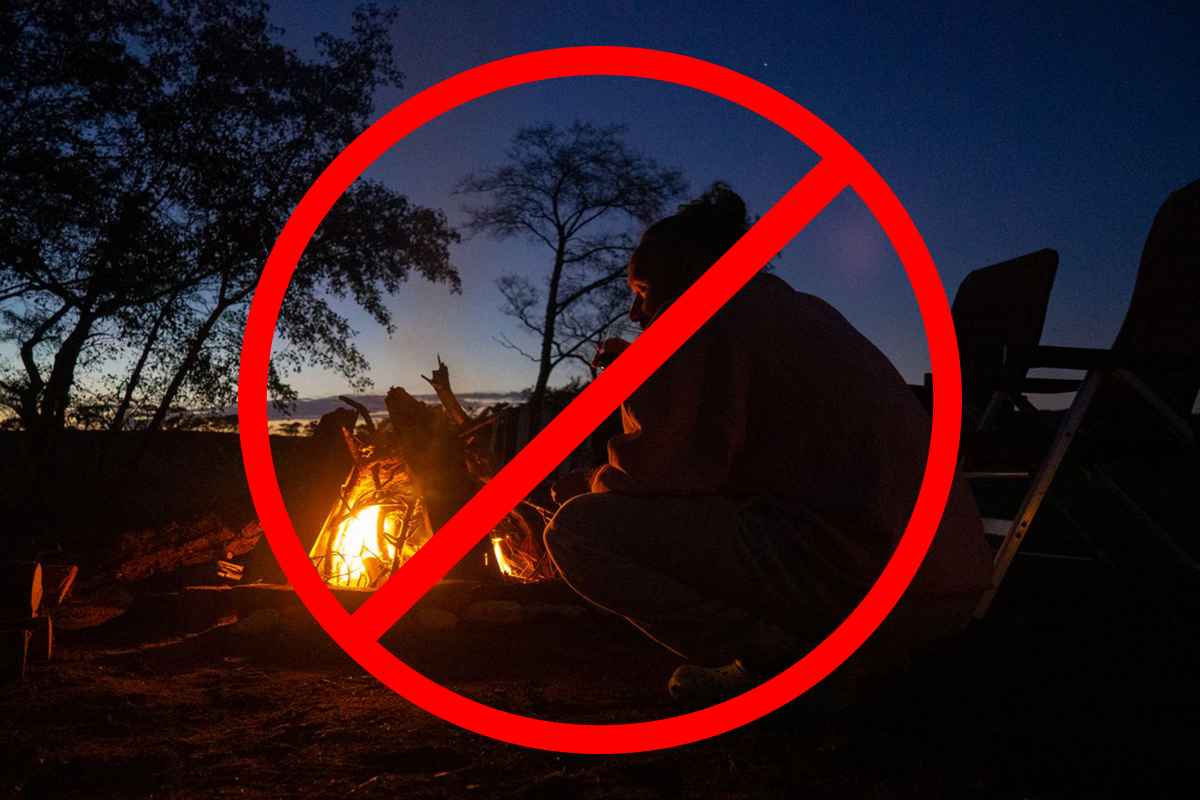
The Government of Newfoundland and Labrador has issued Fire Ban Proclamation 30/26 under section 99 of the Forestry Act, establishing a province-wide prohibition on open burning across all areas of Labrador. The proclamation reflects escalating wildfire risk in a region where fire behaviour has shifted markedly in recent years. Historically, Labrador’s fire season was relatively short, typically running from mid-May to the end of September. However, warmer temperatures, prolonged dry conditions, and an increase in lightning activity in the interior have significantly extended and intensified fire risk, contributing to a sharp rise in wildfire frequency and severity.
In 2024, wildfires in the interior prompted precautionary evacuations of Churchill Falls and Labrador City, marking some of the earliest large-scale evacuations in modern history for these communities. In 2025, unusually high temperatures contributed to an early and volatile fire season, with more than 30 wildfires igniting before May 1, far exceeding historical averages for that period. These developments underscore the rationale behind the 2026 fire ban, which is designed to reduce preventable ignition sources during increasingly unstable fire conditions.
Under the proclamation, the setting of fires on forest land, land within 300 metres of forested areas, and any land containing flammable vegetation is strictly prohibited across Labrador. The restriction applies broadly to account for the ease with which fire can spread beyond forest boundaries into adjacent brush and grasslands, particularly under dry and windy conditions.
Despite the broad prohibition, the regulation includes narrowly defined exceptions for essential and low-risk fire use. One key exception allows the use of incinerator units when the fire weather index is not rated as “very high” or “extreme.” These incinerators must fully contain the fire, be fitted with spark screens, and be located on private property at least 15 metres from any forested or flammable material. When the fire weather index is “high,” the unit must be actively supervised at all times.
The proclamation also preserves several exemptions for controlled, low-risk fire use. Indoor wood stoves remain permitted provided chimneys or stove pipes are properly screened to prevent the escape of sparks. Similarly, gas, propane, kerosene, alcohol, and charcoal-burning appliances such as stoves and barbecues are allowed, as long as they are used at least 3.5 metres away from flammable vegetation.
Additional exemptions include the use of matches or cigarette lighters for smoking tobacco products, provided the individual remains stationary while lighting or smoking. This condition reduces the risk of accidental ignition from movement in dry vegetation. The proclamation also permits enclosed smoking or food preservation structures where flames are fully contained, recognizing traditional and practical uses that do not pose open-air fire risks.
Newfoundland & Labrador (30/2026) July 7, 2026
Disclaimer: Insights are for informational purposes only and does not reflect RRI’s official position or constitute legal opinion.