
Two-Year Pilot Opens New Route for Local Beef
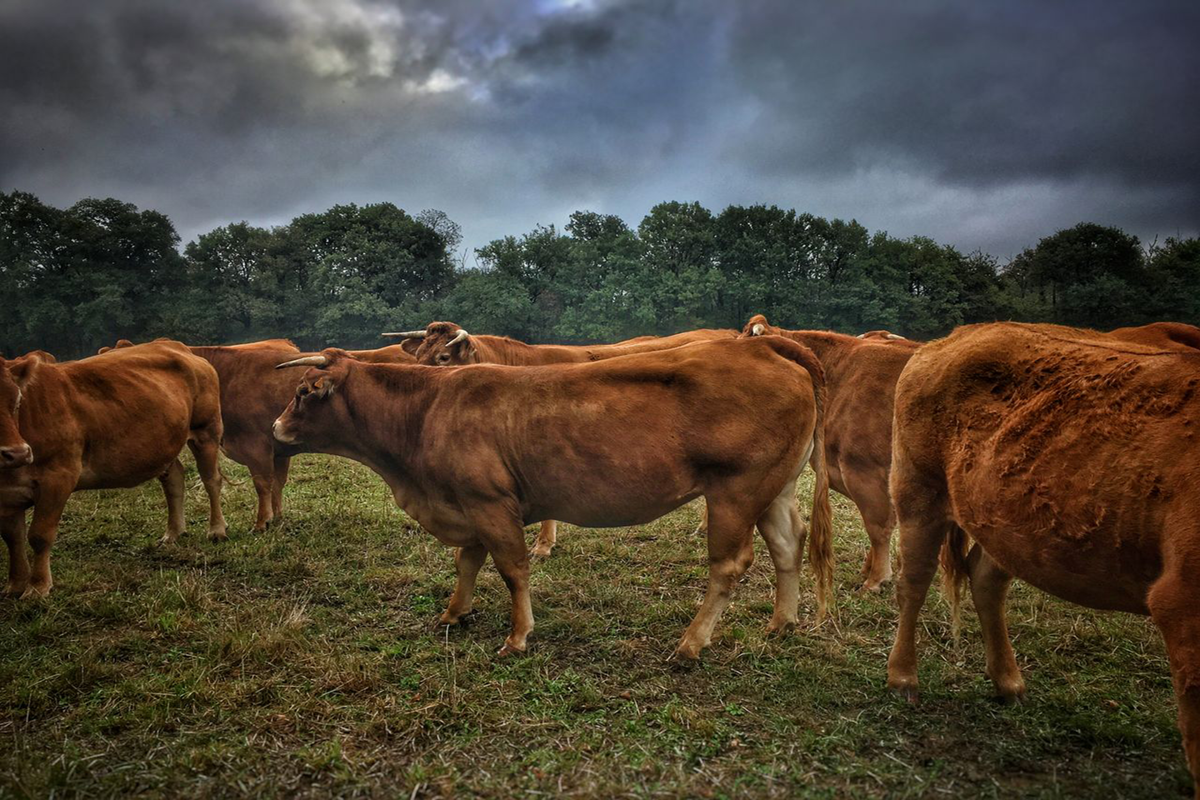
Quebec’s Minister of Agriculture, Fisheries and Food has authorized a two-year pilot project allowing a limited number of Abitibi-Témiscamingue cattle producers to market meat from cattle slaughtered at a designated slaughterhouse in Ontario. The order was made according to section 56.1.1 of the Food Products Act. It responds to restricted access to slaughterhouse services for cattle producers in the Abitibi-Témiscamingue region while allowing the government to study food-safety issues and potentially improve meat-marketing standards.
The pilot project specifically covers cattle slaughtered at Belle Vallée Meats and Abattoir in Belle-Vallée, Ontario. A key feature is that the Ontario slaughterhouse does not hold a licence under the federal Safe Food for Canadians Act. The pilot therefore provides a controlled framework for assessing the safety and regulatory implications of marketing meat in Quebec from an out-of-province facility that does not have that federal licence. The project also aims to promote local and regional economic development by improving producers’ access to slaughter services and enabling meat to be marketed within Abitibi-Témiscamingue.
Participation is tightly restricted. No more than seven producers may participate, and collectively they may send no more than 50 head of cattle to the Ontario slaughterhouse each year. Eligible producers must raise cattle in Abitibi-Témiscamingue, have sold cattle, meat or meat products to consumers in the region during the previous two years, and be registered as an agricultural operation under Quebec’s Act respecting the Ministère de l’Agriculture, des Pêcheries et de l’Alimentation. Applicants must also have no penal proceedings for violations of the Food Products Act or the Animal Welfare and Safety Act during the preceding three years.
The order creates several special marketing rules. Meat from the Ontario slaughterhouse is permitted to enter the participant’s inventory despite Quebec’s normal source requirements. The Ontario inspection legend is recognized as having the same force and validity as the applicable Quebec inspection stamp. Meat must come from cattle owned by the participant and may only undergo specified operations, including aging, cutting, boning, slicing, quartering, mincing and packaging. Preparation is otherwise prohibited, except for cold holding.
Retail sales are restricted to consumers within Abitibi-Témiscamingue. If meat is sold at a marketplace, the Minister must receive at least 15 days’ advance notice of the location and date. Packaging must retain the Ontario slaughterhouse label, while participant records must include production or lot information and the retail location. Participants who violate the order face fines ranging from $500 to $5,000.
Quebec (Draft/2026) September 8, 2026
Disclaimer: Insights are for informational purposes only and does not reflect RRI’s official position or constitute legal opinion.