
Balancing Aviation Safety and Airport Development
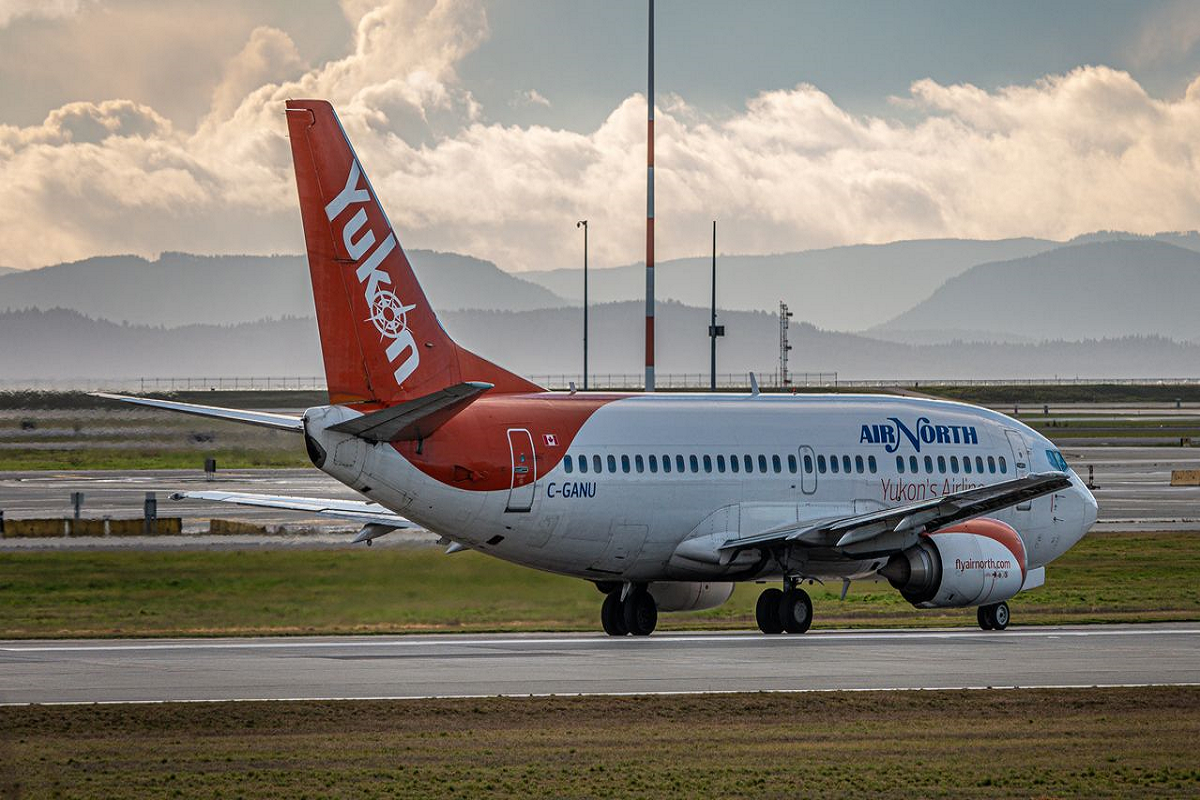
The Yukon’s Public Airports Regulation establishes a framework for planning, land use, subdivision, commercial activities, and property agreements at designated public airports. The regulation defines the responsibilities of the Minister and the Director of Aviation in managing airport land and facilities while establishing requirements intended to support aviation safety, operational needs, and public accountability.
Under Part 2, parcels of public land identified in Schedule 1 are designated as public airports. Part 3 requires the Minister to adopt an airport plan for each public airport holding an airport certificate under the Canadian Aviation Regulations. Plans must be adopted as soon as reasonably practicable after the regulation takes effect or an airport obtains certification. The Minister may also adopt plans for airports without certificates.
Airport plans must address the level of air services an airport can accommodate, the operational support services and commercial opportunities to be provided, and the use and future development of land, buildings, and infrastructure. Plans must comply with the federal Aeronautics Act and applicable regulations and standards. Before adopting a plan, the Minister must publish notices in a local newspaper at least once weekly for two consecutive weeks, with publications at least four days apart. The public must receive at least 30 days after the final notice to submit comments. Copies must also be provided to the Yukon Aviation Advisory Committee, Transport Canada, NAV CANADA, affected Yukon First Nations, and municipal councils where applicable. The Minister must consider feedback before adopting a plan, with or without amendments.
Part 4 regulates activities on airport property. Unauthorized entry into restricted areas is prohibited. Commercial activities and businesses generally require permits, while temporary events, including concerts, filming, fairs, and sporting competitions, require authorization through a lease, licence, or other agreement. Leaseholders, licensees, and permit holders must not keep food waste, garbage, compost, or other attractants where they could attract wildlife or domestic animals. Altering, removing, damaging, or installing airport signs and traffic-control devices without authorization is also prohibited.
Part 5 establishes procedures for granting leases and licences. The Director may use applications, public lotteries, requests for proposals, or other public methods. Applicants must meet their existing obligations, and businesses must hold the appropriate commercial permit. Lease applications require identifying information, the proposed location, reasons for the request, and any reasonably required supporting information. Applications are publicly advertised, and at least 30 days must be provided for public comments. The Director must assess submissions and explain rejections.
Yukon (234/2026) October 20, 2026
Disclaimer: Insights are for informational purposes only and does not reflect RRI’s official position or constitute legal opinion.