
Rolling Back Future Ban on Gas Vehicles
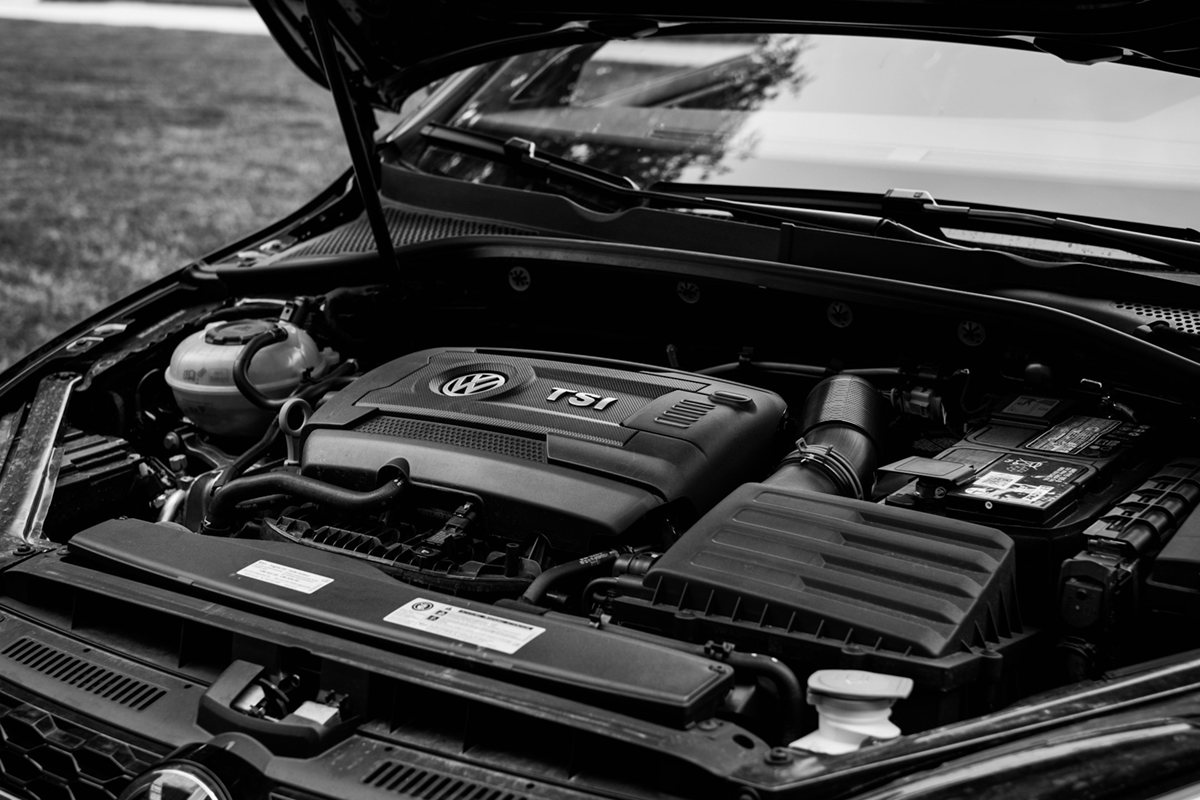
The draft Regulation issued under Quebec’s Environment Quality Act (chapter Q-2) and the Act respecting certain measures enabling the enforcement of environmental and dam safety legislation (chapter M-11.6) proposes the revocation of an existing regulatory framework governing prohibitions on certain motor vehicles and internal combustion engines.
The measure would repeal the Regulation prescribing certain prohibitions as regards motor vehicles and internal combustion engines, originally enacted by Order in Council 1772-2024. That earlier regulation had established future restrictions scheduled to take effect in 2034 and 2035, limiting the sale and lease of certain motor vehicles not powered exclusively by electric propulsion or other zero-emission technologies. It also contemplated restrictions on internal combustion engines used in both new and used vehicles, forming part of Quebec’s broader transportation decarbonization policy. The revocation removes this planned phase-out trajectory and effectively preserves long-term market access for conventional internal combustion technologies.
By eliminating these future prohibitions, the draft Regulation restores regulatory flexibility for the automotive sector and related supply chains. The government frames the change as a means of improving regulatory certainty for manufacturers, importers, and dealers, enabling them to plan production volumes, model offerings, and distribution strategies without the constraint of a legislated post-2035 prohibition. This includes greater predictability for investment decisions, inventory management, and alignment with broader North American vehicle markets, where regulatory timelines differ significantly.
From an economic perspective, the draft Regulation is expected to benefit petroleum-related industries and reduce compliance-related constraints on vehicle manufacturers. At the same time, it is projected to increase long-term consumer fuel expenditures due to continued reliance on internal combustion engines rather than accelerated electrification. Environmental and public health impacts are also expected to be less favourable than under the original regulatory pathway, as greenhouse gas and air pollutant emissions would persist at higher levels. The government estimates that the net societal impact of the revocation would be a cost of approximately 2.71 million dollars annually, reflecting the balance between industrial benefits and environmental externalities.
Quebec (Draft) June 30, 2026
Disclaimer: Insights are for informational purposes only and does not reflect RRI’s official position or constitute legal opinion.