
Updating UN Sanctions Rules for Four Conflict-Affected States
The Regulations Amending Certain Regulations Made Under the United Nations Act (SOR/2026-180) update Canada’s domestic sanctions regulations for the Central African Republic (CAR), Democratic Republic of the Congo (DRC), South Sudan and Somalia. Made under section 2 of the United Nations Act, the amendments implement recent binding decisions of the United Nations Security Council (UNSC), particularly resolutions adopted in 2025. The changes ensure Canadian law remains aligned with Canada’s obligations as a UN member under Article 25 of the UN Charter.
For the Central African Republic, the amendments implement UNSC Resolution 2789 (2025) by removing the arms embargo applicable to the CAR government. Instead, the prohibition is focused on supplying arms and related assistance to non-state armed actors and associated individuals. Restrictions cover direct and indirect transfers, as well as technical, training, financial and other assistance connected with military activities. The regulations also narrow terminology by removing references to “armed mercenaries” and updating the definition of military activities. Advance approval or notification requirements for activities covered by exceptions are also removed.
For the Democratic Republic of the Congo, the regulations implement Resolution 2783 (2025). The amendments eliminate several advance-notification requirements to the Security Council Committee, including requirements associated with shipments of arms and related materials and certain non-lethal military equipment intended for humanitarian or protective purposes. The regulations also replace references to “armed mercenaries” and “non-state armed forces” with the broader term “non-state armed actors.”
For South Sudan, Resolution 2781 (2025) is implemented through the removal of an advance-notification requirement for supplying, selling or transferring permitted non-lethal military equipment in support of the 2018 peace agreement. The regulations also remove references to the African Union Regional Task Force, which was dissolved in 2018. Other terminology is updated to reflect current UNSC language concerning non-state armed actors and military activities.
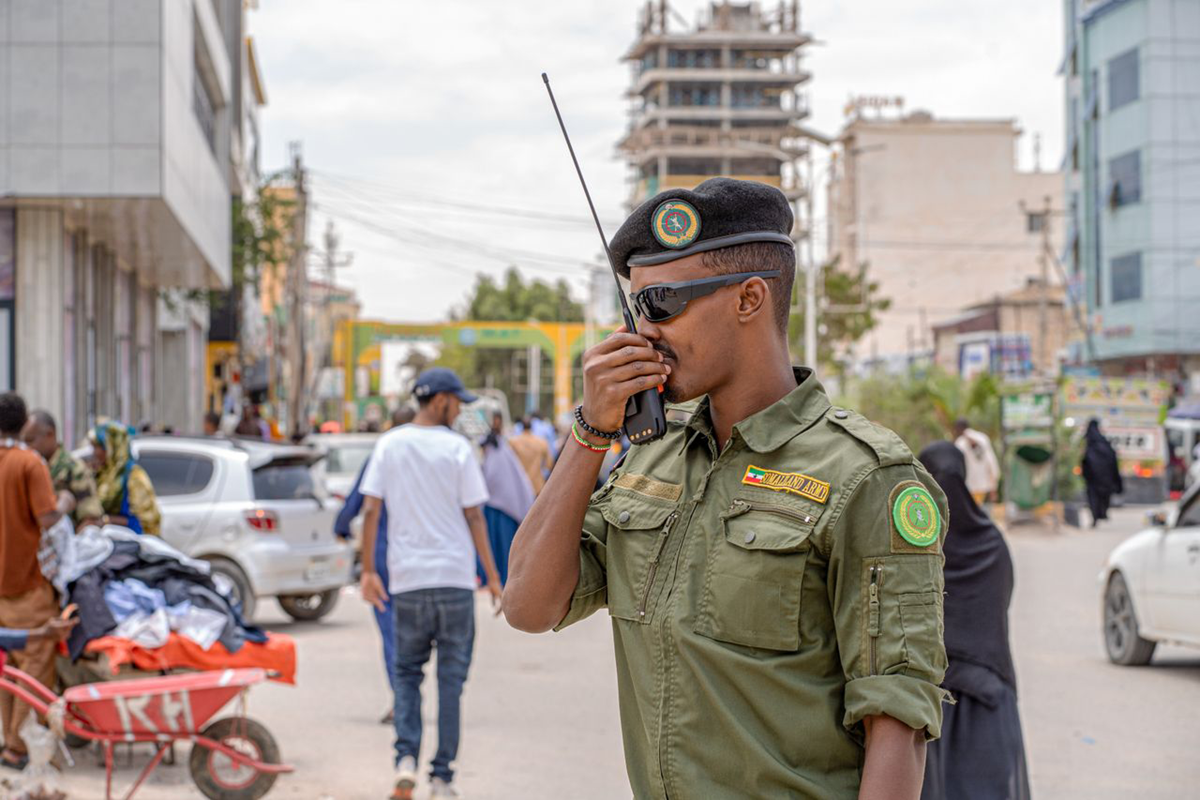
The Somalia amendments implement Resolution 2776 (2025) and make some of the most significant changes. The arms embargo is revised to cover non-state armed actors while expressly recognizing exemptions for Somali Government Forces, UN personnel and other authorized Somali security institutions. A new prohibition targets the export of explosive precursors and other materials that can be used to manufacture improvised explosive devices. The regulations also update the list of prohibited components, remove obsolete references to the African Union Mission in Somalia (AMISOM), and eliminate an advance-notice requirement for certain non-lethal military equipment. Protective-clothing exemptions are expanded to cover private security contractors operating in Somalia.
Canada (180/2026) August 26, 2026
Disclaimer: Insights are for informational purposes only and does not reflect RRI’s official position or constitute legal opinion.