
Administrative Decisions Remain Open to Court Review
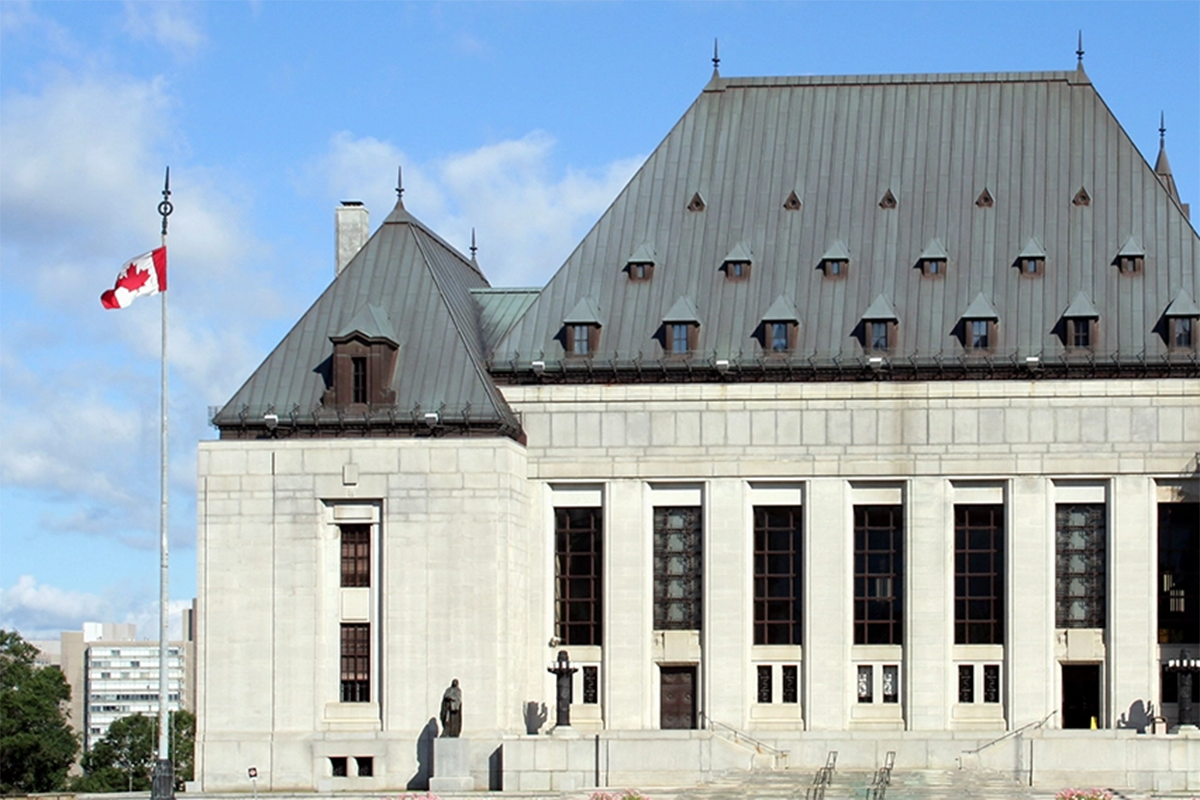
The Supreme Court of Canada’s decision in Democracy Watch v. Canada (Attorney General) significantly reshapes the constitutional limits on privative clauses and judicial review of administrative decisions. The case arose from a 2021 report by the Conflict of Interest and Ethics Commissioner concerning then-Prime Minister Justin Trudeau’s involvement in two WE Charity funding decisions. The Commissioner concluded that Trudeau had not contravened the Conflict of Interest Act (COIA).
The Attorney General of Canada argued that section 66 of the COIA prevented courts from reviewing the Commissioner’s decisions on questions of fact and law. The Federal Court of Appeal ultimately dismissed Democracy Watch’s application, relying on Parliament’s political oversight as an adequate alternative remedy. Democracy Watch appealed to the Supreme Court, raising two central questions: whether parliamentary oversight could replace judicial review and whether section 66 could constitutionally prevent courts from reviewing factual and legal errors. The Supreme Court answered both questions in the negative.
The Court unanimously allowed the appeal. It held that political oversight by Parliament was not an adequate alternative to judicial review because the COIA made the Commissioner’s conclusions final and unalterable. Unlike cases where legislation expressly provided an avenue for an administrative dispute to be brought before Parliament, Democracy Watch had no equivalent mechanism for challenging the Commissioner’s conclusions.
More importantly, the Court declared section 66 of no force and effect to the extent that it attempted to prevent judicial review of questions of fact and law. The Court grounded its decision in the constitutional principle of the rule of law and sections 96 to 101 of the Constitution Act, 1867. It concluded that the judiciary has constitutionally protected authority to review the legality of delegated public power.
The decision does not, however, establish that every aspect of judicial review, including reasonableness review itself, is constitutionally guaranteed. The Court specifically left that question for another case. Its constitutional holding instead concerns the availability of legality review.
The key takeaway is that legislatures cannot use privative clauses to completely eliminate judicial scrutiny of administrative legality. The decision has implications for federal and provincial statutes containing clauses that attempt to shield factual findings, legal determinations or other forms of alleged unlawfulness from review. Regulators, tribunals and other administrative decision-makers therefore remain subject to judicial oversight, regardless of how broadly a statute attempts to restrict that oversight.
Canada (Dentons/2026) September 8, 2026
Disclaimer: Insights are for informational purposes only and does not reflect RRI’s official position or constitute legal opinion.