
Preventing Duplication in Assistance Programs
Saskatchewan Regulations 1/2026 amends the Saskatchewan Assured Income for Disability Regulations, 2012 with the objective of clarifying eligibility, modernizing benefit structures, and tightening administrative controls within the province’s primary income support program for persons with significant and enduring disabilities. Made pursuant to section 14 of The Saskatchewan Assistance Act, these amendments intended to provide clearer definitions, narrower benefit attribution within family units, and greater discretion for the minister to prevent duplication of public assistance.
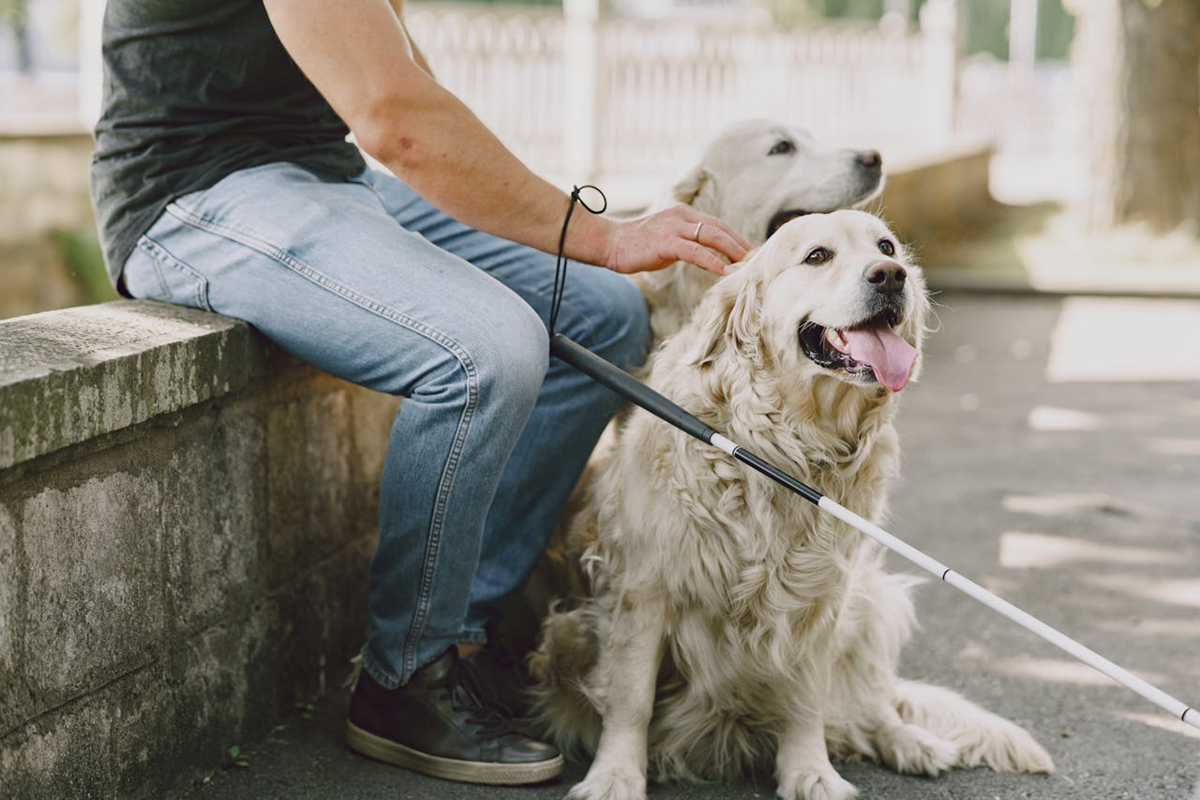
The regulations expand and formalize key definitions by expressly recognizing “guide dogs” and “service animals.” A guide dog is defined as a certified dog trained to assist a blind person, while a service animal is defined as an animal trained to perform specific disability-related tasks and certified through a recognized training program. Emotional support and therapy animals are explicitly excluded. This definitional clarity aligns benefit eligibility with functional disability supports and provides a clear basis for ongoing assistance related to service animals.
The purpose clause of the program is substantially revised to reinforce its role as a program of last resort. Eligibility is framed around the presence of a significant and enduring disability—physical, psychiatric, cognitive, or intellectual—combined with an inability to achieve financial self-sufficiency through employment, even with available treatments or support. Applicants must lack sufficient income from employment, other government programs, or personal resources, and must demonstrate that no other means exist to meet basic needs. This change emphasizes financial need and long-term incapacity rather than categorical disability status alone.
Several amendments narrow how benefits are assessed within family units. References to “family members” are systematically replaced with references to the eligible beneficiary and, where applicable, the beneficiary’s spouse. This change affects benefit calculations, eligibility considerations, and reporting obligations, and reduces the extent to which the circumstances of other household members influence entitlement. Provisions related to detention are also clarified, specifying that benefits may be affected when an individual is detained for more than 30 days.
Financial thresholds and administrative rules are updated. The maximum allowable amount for certain liquid assets is increased from $1,500 to $2,000, modestly improving flexibility for beneficiaries. New section 18.1 introduces a comprehensive framework to prevent duplication of benefits, requiring the minister to consider whether needs are already substantially met through other provisions of the regulations or through provincial or federal programs, and to adjust benefits accordingly. This strengthens cost controls and reinforces coordination across social assistance programs.
Saskatchewan (1/2026) February 4, 2026
Disclaimer: Insights are for informational purposes only and does not reflect RRI’s official position or constitute legal opinion.