
Rules Shape Police Leadership Roles
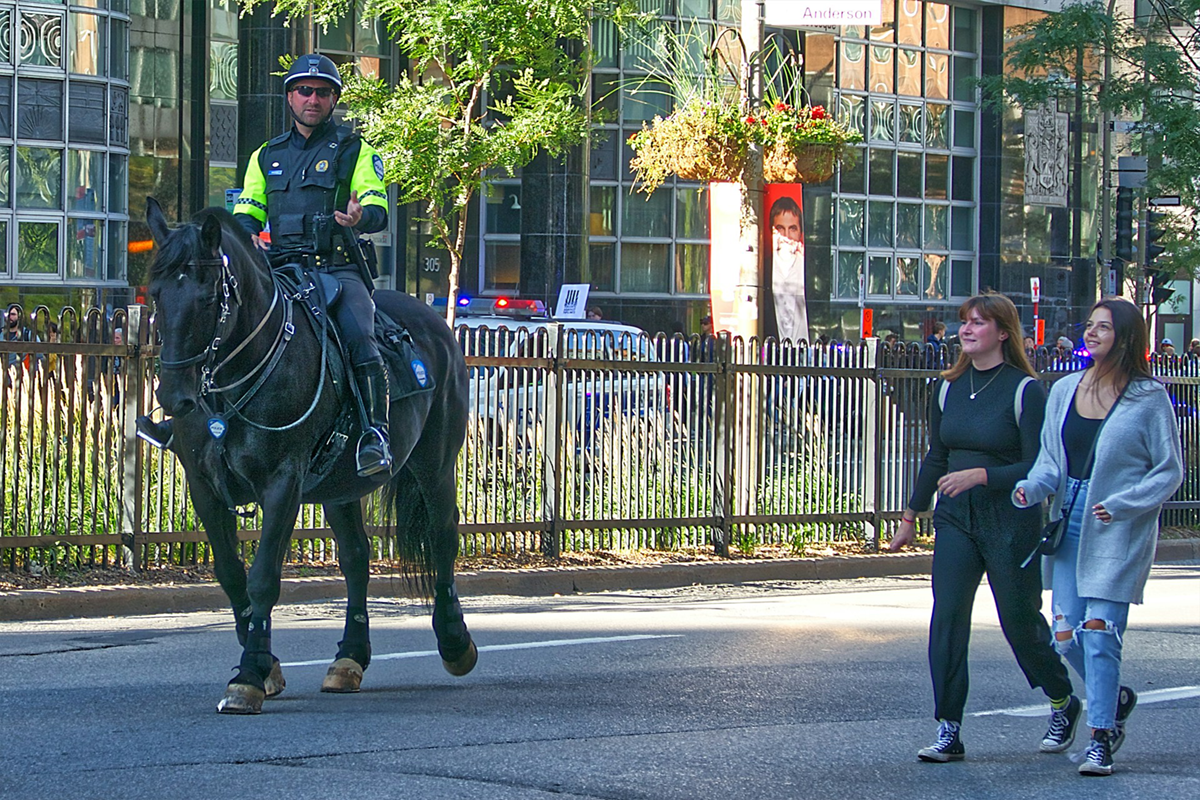
Order in Council 195-2026 establishes a regulatory framework in Québec governing the minimum qualifications required for police officers to exercise supervisory functions within police forces. Adopted under section 116 of the Police Act. These amendments allow the government to define baseline qualifications, including training requirements, for managerial roles within police services that are not classified as specialized police forces. The regulation also enables the establishment of monitoring mechanisms, compliance measures, and exemptions where appropriate.
The regulation sets out both qualitative and training-based requirements for police officers who hold supervisory roles on a permanent basis. It begins by outlining the essential personal and professional competencies expected of supervisors in police organizations. Officers serving in these roles must demonstrate leadership, ethical judgment, strong communication abilities, decisiveness, adaptability in coordinating personnel and operations, and sound organizational skills. These attributes reflect the expectation that supervisory officers must guide teams, manage operational decisions, and uphold professional standards while ensuring effective policing practices.
In addition to these personal qualities, the regulation introduces a mandatory training requirement delivered through the École nationale de police du Québec. Supervisors must successfully complete the “Supervision” section of the Basic Training Program in Police Management. This program includes three core components: instruction in fundamental management principles, training related to the operational realities of police work, and a practical component focused on applying and integrating the knowledge gained.
The regulation also establishes clear timelines for completing the required training. Once a police officer begins exercising supervisory duties on a permanent basis, they have up to six months to begin the training program and up to twenty-four months to complete it successfully. Transitional provisions apply to officers appointed shortly after the regulation’s implementation.
Recognizing operational realities and individual circumstances, the regulation permits certain extensions. Police force directors may grant extensions of up to four months for officers who fail to begin or complete the training within the standard timeframe, with total extensions capped at twelve months. In exceptional cases, additional extensions may be authorized with approval from the Minister of Public Security.
The regulation outlines compliance measures. Supervisors who fail to complete the required training within the allotted time or any approved extension must either be placed under a supervision plan approved by the police director or reassigned to other duties until the training is completed. The regulation also allows equivalencies for certain training activities in accordance with existing by-laws governing the police training plan.
Quebec 195/2026) March 4, 2026
Disclaimer: Insights are for informational purposes only and does not reflect RRI’s official position or constitute legal opinion.